


Lecturer: Prof. Gerardo Suzán, Full-Time Professor at Veterinary Medicine School of the National Autonomous University of Mexico (UNAM), Mexico City
Time: Wednesday, 27th May 2026, 13.00
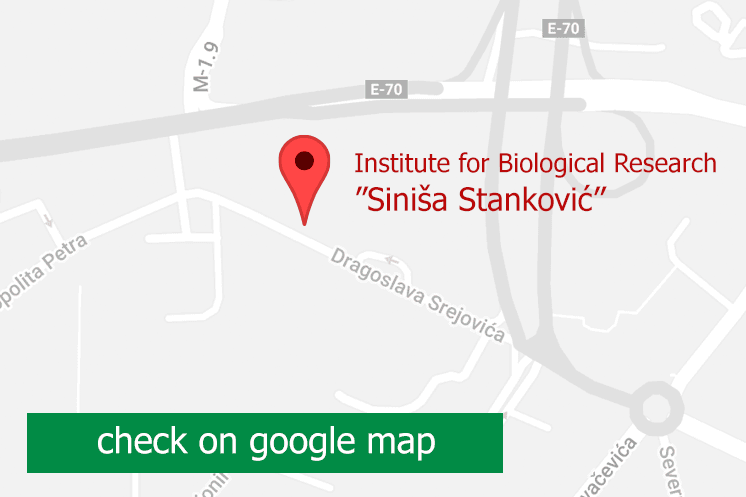
Venue: IBISS Library
Professor Gerardo Suzán will discuss data on hantavirus infections and studies he have conducted at different scales to understand its ecology. Rodents are the most diverse order of mammals and serve as major reservoirs of zoonotic pathogens, including hantaviruses. These viruses are transmitted to humans via rodent excreta, causing severe diseases such as hantavirus pulmonary syndrome (HPS) in the Americas (fatality rates 30–50%) and hemorrhagic fever with renal syndrome (HFRS) in Europe and Asia (1–12% mortality). Each hantavirus is generally associated with a specific rodent reservoir in which it establishes chronic infection. Andes virus, endemic to Argentina and Chile, is the only hantavirus known to show limited person-to-person transmission.
Recent global and regional analyses indicate that ecological disturbances—including land-use change, habitat fragmentation, and biodiversity loss—significantly influence hantavirus dynamics. Meta-analyses across the Americas show that fragmentation reduces small mammal richness while increasing reservoir species abundance, thereby elevating transmission risk. A rodent removal experiment conducted in Panama confirmed that lower biodiversity amplifies infection rates in reservoirs, supporting the "dilution effect" hypothesis. Studies in the Yucatán Peninsula further demonstrate that landscape urbanization homogenizes communities and erodes this protective effect.
These findings align with broader evidence that anthropogenic disturbance reshapes host–pathogen interactions. Reservoir species are often generalist rodents with fast life histories that thrive in disturbed environments, while non-reservoir species dominate conserved habitats. From a One Health perspective, habitat conservation and ecological heterogeneity are essential preventive tools. Preserving biodiversity provides a natural immune system that limits zoonotic amplification. Integrating these findings into surveillance strategies can reduce future risks of hantavirus and other rodent-borne diseases.
Phone: +381 11 20 78 300
Fax: +381 11 27 61 433
Email: ibiss@ibiss.bg.ac.rs
Bulevar despota Stefana 142
11108 Belgrade
Serbia


IBISS uses analytical cookies to analyze the use of the site in order to improve the user experience, by clicking "Accept" you consent to the use of cookies.