


The main research focus of the Department of Biochemistry is nutritional biochemistry and metabolic disorders. For many years, the department’s researchers have investigated the role of glucocorticoid hormones in the pathophysiology of metabolic syndrome in animal models, including polycystic ovary syndrome (PCOS), obesity, and chronic stress, as well as the mechanisms of action of vitamins and unsaturated fatty acids on central nervous system activity.
Currently, our research shares a common goal: addressing obesity and related metabolic disorders, such as metabolic dysfunction-associated fatty liver disease (MASLD). We use validated animal models, cell lines, and clinical studies to investigate the molecular basis and therapeutic approaches to metabolic diseases, including probiotics, plant extracts, and dietary interventions.
In recent years, a significant focus of our research has been the role of intestinal microbiota in the development and progression of obesity and MASLD. Our aim is to direct research toward microbiota modulation using probiotics to provide solutions for treating obesity and associated metabolic disorders. In collaboration with colleagues from the Institute of Molecular Genetics and Genetic Engineering and the company Phytonet, our department has developed an innovative probiotic product for the treatment of liver steatosis, called LiverDophilus®. This product was created through the collaborative project "Probiotic bacteria for the treatment of liver steatosis", led by Dr. Ana Đorđević, to advance technological readiness level.
Within our department, the Twinning project "Strengthening Translational Research for Improved Metabolic Health" (STRIMHealth, 2024–2027), coordinated by Dr. Nataša Veličković, aims to strengthen the research and innovation capacities of IBISS in translational research on metabolic diseases, especially MASLD, and to foster collaboration with leading EU institutions in this field. Through this project, the Metabolic Diseases Research Unit was established, involving several IBISS departments.
The department’s latest research will focus on the impact of endocrine disruptors on the internal exposome, as part of the project "Investigation of endocrine-disrupting chemicals as contributors to progression of metabolic dysfunction-associated steatotic liver disease" (EDC-MASLD, 2024–2028), conducted within a large European consortium of 15 partners. Our research group, led by Dr. Nataša Veličković, will examine the transgenerational effects of endocrine disruptors on MASLD development, with particular emphasis on the roles of glucocorticoids and sex hormones.
Part of our research remains dedicated to studying the effects of nutritional treatments and environmental factors on neurodevelopment, synaptic plasticity, and behavior in experimental animals. We also investigate the effects of newly synthesized substances and plant extracts used in traditional medicine in in vitro models of neurodegeneration and endothelial dysfunction.
Phone: +381 11 20 78 300
Fax: +381 11 27 61 433
Email: ibiss@ibiss.bg.ac.rs
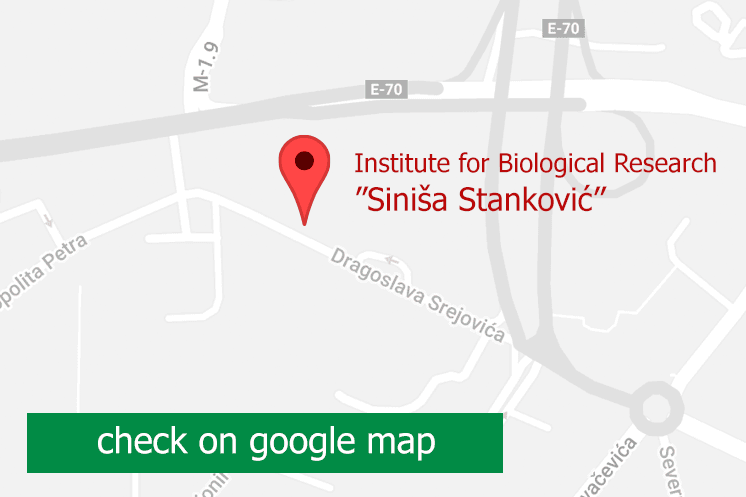
Bulevar despota Stefana 142
11108 Belgrade
Serbia


IBISS uses analytical cookies to analyze the use of the site in order to improve the user experience, by clicking "Accept" you consent to the use of cookies.