



Education:
• 2009: Ph.D. Faculty of Biology, University of Belgrade.
• 2002: M.Sc. Faculty of Chemistry (Biochemistry), University of Belgrade.
• 1997: B.Sc. (8.79/10), Faculty of Chemistry (Biochemistry), University of Belgrade.
Research title:
• 2020: Principal Research Fellow
• 2015: Senior Research Associate
• 2009: Research Associate
• 2002: Research Assistant
• 1997: Research Collaborator
Research interest:
• The protective mechanisms involved in the alleviation of diabetes (T1D and T2D) and diabetic complications; the basic mechanisms of DNA demethylation and regulation of TET enzyme activity that mediates active DNA demethylation by oxidizing 5-methylcytosine in DNA; to elucidate whether PARP inhibitors could affect cancer cells viability via induced TET activity and DNA demethylation, which could expand the application of PARP inhibition-based therapy beyond the treatment of BRCA-mutated ovarian and breast cancers (where PARP inhibitors were introduced due to the jointly effects with deficiency in homologous recombination which is synthetically lethal).
Participation in projects:
• National projects: The IBISS work program financed by the Ministry of Education, Technological Development and Innovation, Republic of Serbia (2020-), contract number 451-03-66/2024-03/200007; OI173020 of the Ministry of Research and Technological Development, Republic of Serbia (2011-2019); #143002B of the Ministry of Science and Environmental Protection, Republic of Serbia (2006-2010); #1722 of the Ministry of Science, Technology and Development, Republic of Serbia (2002-2006).
• International projects and collaborations: Bilateral project between Montenegro and Serbia (2016 - 2018); Project of 7th Framework Programme of European Commission „Managing the effects of multiple stressors on aquatic ecosystems under water scarcity“ No. 603629-ENV-2013-6.2.1-Globaqua (2014 - 2019); Participation and coordination of international cooperation with dr. Tomasz Jurkowski, Institute for Biochemistry, University of Stuttgart, Germany; COST actions: TD0905 (2010-2014), CA15219 (2016-2020), CA16119 (2017-2021).
Memberships in scientific societies:
• Serbian Society for Molecular Biology
• Serbian Biochemical Society – Member of the Publication Committee (since 2014)
• Serbian Proteomic Association (SePA)
• Serbian Biological Society

Epigenetics studies changes in gene expression that are not accompanied by changes in the sequence of DNA molecules, as well as their transmission and transgenerational maintenance. Researchers at the Institute study the mechanisms of stable maintenance of expression of certain genes (mechanisms of changes in the DNA methylation pattern), as well as the possibility of changing epigenetic marks for therapeutic purposes using CRISPR/Cas9 fused constructs. The target diseases researchers are focused on are diabetes and triple negative breast cancer.

Nutrition is the process by which the body uses food to produce energy and sustain life. The science of nutrition studies the role of nutrients and other food components in the growth, reproduction, health and disease of the organism. Food ingredients with medicinal properties are called nutriceuticals and can be used to treat or prevent disease. There are more and more alternative sources of food, such as edible insects, which should limit the negative impact of food production on the environment.
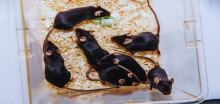
Metabolism is the totality of all chemical reactions that provide energy to cells and maintain the vital state of cells and organisms. Metabolism is a tightly regulated process, and control of metabolic pathways allows organisms to successfully interact with their environment. Metabolic regulation is key to understanding and treating a number of chronic diseases, including diabetes, obesity, hypertension, and cancer.
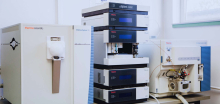
Natural products are complex chemical compounds synthesised by living organisms through biochemical processes, with a specific physiological or ecological function. Researchers at the Institute study the chemical characterization and isolation of natural products, metabolic engineering, as well as the assessment of the possibility of their application in industry (as medicaments, dietary supplements and functional food, biopesticides).
Epigenetics studies changes in gene expression that are not accompanied by changes in the sequence of DNA molecules, as well as their transmission and transgenerational maintenance. Researchers at the Institute study the mechanisms of stable maintenance of expression of certain genes (mechanisms of changes in the DNA methylation pattern), as well as the possibility of changing epigenetic marks for therapeutic purposes using CRISPR/Cas9 fused constructs. The target diseases researchers are focused on are diabetes and triple negative breast cancer.
Nutrition is the process by which the body uses food to produce energy and sustain life. The science of nutrition studies the role of nutrients and other food components in the growth, reproduction, health and disease of the organism. Food ingredients with medicinal properties are called nutriceuticals and can be used to treat or prevent disease. There are more and more alternative sources of food, such as edible insects, which should limit the negative impact of food production on the environment.
Metabolism is the totality of all chemical reactions that provide energy to cells and maintain the vital state of cells and organisms. Metabolism is a tightly regulated process, and control of metabolic pathways allows organisms to successfully interact with their environment. Metabolic regulation is key to understanding and treating a number of chronic diseases, including diabetes, obesity, hypertension, and cancer.
Natural products are complex chemical compounds synthesised by living organisms through biochemical processes, with a specific physiological or ecological function. Researchers at the Institute study the chemical characterization and isolation of natural products, metabolic engineering, as well as the assessment of the possibility of their application in industry (as medicaments, dietary supplements and functional food, biopesticides).

Education:
2020 – Ph.D. student, Molecular Biology – Molecular Biomedicine Program, Faculty of Biology, University of Belgrade
2020 – M.Sc., Biology – Applied Genetics Program, Faculty of Biology, University of Belgrade
2018 – B.Sc., Molecular Biology and Physiology Program, Faculty of Biology, University of Belgrade
Research Interests:
• epigenetic regulation of gene expression and molecular mechanisms of DNA methylation
• epigenetic editing of DNA methylation using Epi-CRISPR/Cas9 tool for establishing novel cellular phenotypes
• application of PARP inhibitors in cancers with homologous recombination deficiency to induce synthetic lethality
Other Activities:
2023 – participant in the international project "Targeted Rewriting of Epigenetic Marks as a New Therapeutic Approach in Triple Negative Breast Cancers" in collaboration with the German Cancer Research Center in Heidelberg, funded by the Alexander von Humboldt Foundation
2022 – one-month study visit at the Cell and Tissue Analysis and Imaging Core Facility, Institute of Animal Reproduction and Food Research of the Polish Academy of Sciences in Olsztyn, Poland
2019 – participant in the international project "Detection of DNA methylation profile changes using FTIR micro-spectroscopy: a method for possible implementation as a diagnostic tool in diabetes" in collaboration with ALBA Synchrotron Center in Barcelona, Spain
Since 2012 – volunteer at the Researchers' Night and other science promotion events
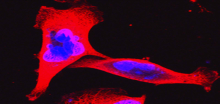
Understanding the physiological and functional characteristics of cancer cells at the individual level, and the tumor tissue as a highly orchestrated multicellular formation, by whose activity the tumor expands, invades and disseminates, is the main goal of cancer biology research today. Defining the causes of abnormal behavior of neoplastic cells individually and in the context of the tumor microenvironment, including the histological, metabolic and immunological specificities of this tissue, represents a platform for designing new approaches in cancer treatment. Investigating the phenomenon of initial or acquired tumor resistance helps to gain deeper insights into the reasons for limited effects of the conventional treatments, enabling the improvement of existing protocols.
Epigenetics studies changes in gene expression that are not accompanied by changes in the sequence of DNA molecules, as well as their transmission and transgenerational maintenance. Researchers at the Institute study the mechanisms of stable maintenance of expression of certain genes (mechanisms of changes in the DNA methylation pattern), as well as the possibility of changing epigenetic marks for therapeutic purposes using CRISPR/Cas9 fused constructs. The target diseases researchers are focused on are diabetes and triple negative breast cancer.

Teodora Komazec completed her undergraduate studies at the Faculty of Biology, University of Belgrade on the module "Molecular Biology and Physiology" in 2019. At the same faculty, in 2020 she completed her Master's studies in the module "Immunobiology" under the title "Examination of the antiproliferative potential of selected pyridone derivatives on HCT-116 and MDA-MB-231 cell lines", and in 2021 she enrolled in doctoral studies on the module "Cellular and molecular oncology". Since April 2022, she has been employed in the Department of Immunology at the Institute for Biological Research "Siniša Stanković" – National Institute of the Republic of Serbia.
Teodora is part of the project team of the PRISMA (ADVANCED) program funded by the Science Fund of the Republic of Serbia, as well as the bilateral cooperation project with the German Academic Exchange Service (DAAD).
She is a member of several national and international societies including: the Serbian Society of Cancer Researchers (SDIR), the European Association for Cancer Research (EARC), the Serbian Society for Molecular Biology (MolBioS), the Club of Serbian Young Immunologists (KMIS), Young European Federation of Immunologists of societies (yEFIS), Serbian Biochemical Society (BDS), Federation of European Biochemical Societies (FEBS) and Serbian Society for Immunology, Molecular Oncology and Regenerative Medicine (SDIOR).
Her research interests are: tumor biology, experimental oncology, testing the antitumor activity of newly synthesized compounds in vitro and in vivo, tumor immunology, monitoring the response of tumors and the tumor microenvironment to the application of potential therapeutics, research on the molecular mechanisms and signaling pathways involved in cancer regulation.
Understanding the physiological and functional characteristics of cancer cells at the individual level, and the tumor tissue as a highly orchestrated multicellular formation, by whose activity the tumor expands, invades and disseminates, is the main goal of cancer biology research today. Defining the causes of abnormal behavior of neoplastic cells individually and in the context of the tumor microenvironment, including the histological, metabolic and immunological specificities of this tissue, represents a platform for designing new approaches in cancer treatment. Investigating the phenomenon of initial or acquired tumor resistance helps to gain deeper insights into the reasons for limited effects of the conventional treatments, enabling the improvement of existing protocols.

Inflammation is a response to damage and danger in organisms and is an integral part of research in immunology, but also in other scientific disciplines, since inflammation occurs in numerous pathological conditions like diabetes or cancer. Immunology studies body’s defence mechanisms at cellular and molecular level in infective diseases, as well as immune system malfunctions in autoimmune diseases and allergies Modification of body’s immune system is useful in treatment of these diseases, and can be performed through pharmacological modulation or immunotherapy, where immune cells or their parts are used. Acute-phase proteins and potential biological markers of inflammation involved in the modification and integration of signalling pathways are being investigated in order to predict and intervene in diseases.

Education
• Faculty of Biology, University of Belgrade
2020 - PhD in Immunobiology
2019 – 2020 MSc in Immunobiology
2015 – 2019 BSc in Molecular biology & physiology
Volunteer work and workshop attendance
• European Researchers' Night, FENS, The Science Fair, conference ‘Forever curious – with science for the future’, Science Day (in Serbia), Brain Awareness Week
• Workshop held by the Center for the Promotion of Science (CPN): How to communicate modern science?
Research interests
Autoimmune diseases, type 1 diabetes, regulatory T cells, aryl hydrocarbon receptor and its modulation with newly synthesized ligands, innate lymphoid cells, intestinal immunity and its associated lymphoid tissue (GALT), as well as the immunological importance of the intestinal microenvironment
Membership
• Immunological Society of Serbia (ISOS)
• Young European Federation of Imunological Societies (yEFIS)
- Club of Serbian Young Immunologists (KMIS)
• Serbian Society for Molecular Biology (MolBioS)
• Serbian Biochemical Society (SBS)
Inflammation is a response to damage and danger in organisms and is an integral part of research in immunology, but also in other scientific disciplines, since inflammation occurs in numerous pathological conditions like diabetes or cancer. Immunology studies body’s defence mechanisms at cellular and molecular level in infective diseases, as well as immune system malfunctions in autoimmune diseases and allergies Modification of body’s immune system is useful in treatment of these diseases, and can be performed through pharmacological modulation or immunotherapy, where immune cells or their parts are used. Acute-phase proteins and potential biological markers of inflammation involved in the modification and integration of signalling pathways are being investigated in order to predict and intervene in diseases.

Education:
2020- Molecular biology, Physiology, Translational research in neurobiology and biomedicine, Phd student in the fourth year, Faculty of Biology, University of Belgrade
2018-2019 Biology, Experimental Physiology of Animals and Humans, Master of Science, Faculty of Biology, University of Belgrade. Master thesis: „Expression of AKT 1/2/3 and ERK 1/2 in rat hypothalamus through the initial phase of fasting“. The experimental part of master’s thesis finished in the laboratory for comparative physiology and ecophysiology, Chair of comparative physiology and ecophysiology, Faculty of Biology, University of Belgrade
2014-2018 Biology, Bachelor degree, Faculty of Biology, University of Belgrade
Professional experience:
2023- Research assistant at Institute for Biological Research ‘Sinisa Stankovic’, Department for Immunology
2021-2023 Research trainee at Institute for Biological Research ‘Sinisa Stankovic’, Department for Immunology
2020 Volunteer at Institute for Biological Research ‘Sinisa Stankovic’, Department for Immunology
2019 Volunteer work at the Environment Protection Institute of Serbia
2018 Volunteer lab assistant, Chair of Comparative Physiology and Ecophysiology, Faculty of Biology, University of Belgrade
Field of research:
Neuroimmunology, with a focus on multiple sclerosis, chronic inflammatory autoimmune disease of the central nervous system (CNS), and animal model of this disease, experimental autoimmune encephalomyelitis (EAE). The role of the gut and lung immune system in the development, propagation, and regulation of autoimmune responses directed against the CNS.
Memberships:
Immunological Society of Serbia
Serbian Biochemical Society
Serbian Society for Molecular Biology
Serbian Neuroscience Society
Young European Federation of Immunological Societies
Inflammation is a response to damage and danger in organisms and is an integral part of research in immunology, but also in other scientific disciplines, since inflammation occurs in numerous pathological conditions like diabetes or cancer. Immunology studies body’s defence mechanisms at cellular and molecular level in infective diseases, as well as immune system malfunctions in autoimmune diseases and allergies Modification of body’s immune system is useful in treatment of these diseases, and can be performed through pharmacological modulation or immunotherapy, where immune cells or their parts are used. Acute-phase proteins and potential biological markers of inflammation involved in the modification and integration of signalling pathways are being investigated in order to predict and intervene in diseases.
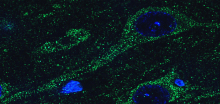
Neurobiology studies the anatomy, physiology, and pathology of the nervous system. From the molecular and biochemical basis of this system, to the study of behavioral plasticity, to understanding the driving forces of neurodegenerative diseases and how they can be treated. Electrophysiology studies biophysical properties in vertebrate neurons and links morphofunctional features of the brain to observed animal behavior. The ultimate goal is to identify active substances that may have a protective effect in neurological and psychiatric diseases.

Ekatarina Mihajlović graduated from the Faculty of Pharmacy at the University of Belgrade in 2017 and obtained a Master of Pharmacy degree. The experimental part of her master's thesis entitled "The mechanism of arterial graft relaxation induced by procyanidin B2" was carried out at the Department of Pharmacology. After completing an internship in a pharmacy and passing a professional exam, she worked in the pharmaceutical industry, as a Product Development Associate at the Research and Development Institute of Galenika A.D. and as an Expert Associate in the STADA Packaging Coordination Team of Hemofarm A.D. In 2020, she enrolled in doctoral studies at the Faculty of Biology at the University of Belgrade, in the module Cellular and Molecular Oncology. In April 2021, she obtained the title Junior Research Assistant and since July of the same year, she has been employed at the Institute for Biological Research "Siniša Stanković" - National Institute of the Republic of Serbia, at the Department of Immunology. In December 2023, she obtained the title Research Assistant. She is currently involved in two research projects: the ADVANCED project within the PRISMA program of the Science Fund of the Republic of Serbia and the German Academic Exchange Service (DAAD) project. She is an active member of the Serbian Society of Cancer Researchers (SDIR), the European Association for Cancer Research (EARC), the Serbian Society for Molecular Biology (MolBioS), the Club of Young Immunologists of Serbia (KMIS), the Young European Federation of Immunological Societies (yEFIS), the Serbian Society for Immunology, Molecular Oncology and Regenerative Medicine (SDIOR), the Biochemical Society of Serbia (BDS) and the European Federation of Biochemical Societies (FEBS). Her research interests are experimental oncology, immuno-oncology, oncopharmacology, and experimental therapeutics.
Understanding the physiological and functional characteristics of cancer cells at the individual level, and the tumor tissue as a highly orchestrated multicellular formation, by whose activity the tumor expands, invades and disseminates, is the main goal of cancer biology research today. Defining the causes of abnormal behavior of neoplastic cells individually and in the context of the tumor microenvironment, including the histological, metabolic and immunological specificities of this tissue, represents a platform for designing new approaches in cancer treatment. Investigating the phenomenon of initial or acquired tumor resistance helps to gain deeper insights into the reasons for limited effects of the conventional treatments, enabling the improvement of existing protocols.
Inflammation is a response to damage and danger in organisms and is an integral part of research in immunology, but also in other scientific disciplines, since inflammation occurs in numerous pathological conditions like diabetes or cancer. Immunology studies body’s defence mechanisms at cellular and molecular level in infective diseases, as well as immune system malfunctions in autoimmune diseases and allergies Modification of body’s immune system is useful in treatment of these diseases, and can be performed through pharmacological modulation or immunotherapy, where immune cells or their parts are used. Acute-phase proteins and potential biological markers of inflammation involved in the modification and integration of signalling pathways are being investigated in order to predict and intervene in diseases.
Natural products are complex chemical compounds synthesised by living organisms through biochemical processes, with a specific physiological or ecological function. Researchers at the Institute study the chemical characterization and isolation of natural products, metabolic engineering, as well as the assessment of the possibility of their application in industry (as medicaments, dietary supplements and functional food, biopesticides).

Inflammation is a response to damage and danger in organisms and is an integral part of research in immunology, but also in other scientific disciplines, since inflammation occurs in numerous pathological conditions like diabetes or cancer. Immunology studies body’s defence mechanisms at cellular and molecular level in infective diseases, as well as immune system malfunctions in autoimmune diseases and allergies Modification of body’s immune system is useful in treatment of these diseases, and can be performed through pharmacological modulation or immunotherapy, where immune cells or their parts are used. Acute-phase proteins and potential biological markers of inflammation involved in the modification and integration of signalling pathways are being investigated in order to predict and intervene in diseases.

Dr. Saksida graduated from Biochemistry and obtained her master’s degree at the Faculty of Chemistry. The PhD thesis was defended in 2011 at the Faculty of Biology, University of Belgrade. Since 2021, Dr. Saksida has been leading the Inflammation group. The research will examine immune cells in the gastrointestinal and pulmonary systems, their involvement in inflammatory illnesses, and the potential for physiological and pharmacological modifications. Thanks to the extensive research experience in autoimmune type 1 diabetes, the group has established models for autoimmune myocarditis and acute respiratory distress syndrome with the mission to advance understanding and treatments for autoimmune and inflammatory diseases. Dr. Saksida has engaged in three national projects funded by the Ministry of Education, Science and Technological Development, two funded by the Science Fund of the Republic of Serbia, and four international projects. She was the leader of project ‘Compound A as a new candidate to rescue beta cells from cell death’ and was awarded a laboratory exchange grant for a collaborative initiative with the Oxford Vaccine Group. She has supervised six master's theses and three doctoral dissertations. Dr. Saksida is ‘For Women in Science’ Alumnae. She participates actively in the Serbian Biochemical Society, the Serbian Society for Molecular Biology, and the Society of Immunologists of Serbia. She is a member of the EFIS working group for gender equality and diversity.
Inflammation is a response to damage and danger in organisms and is an integral part of research in immunology, but also in other scientific disciplines, since inflammation occurs in numerous pathological conditions like diabetes or cancer. Immunology studies body’s defence mechanisms at cellular and molecular level in infective diseases, as well as immune system malfunctions in autoimmune diseases and allergies Modification of body’s immune system is useful in treatment of these diseases, and can be performed through pharmacological modulation or immunotherapy, where immune cells or their parts are used. Acute-phase proteins and potential biological markers of inflammation involved in the modification and integration of signalling pathways are being investigated in order to predict and intervene in diseases.
Nutrition is the process by which the body uses food to produce energy and sustain life. The science of nutrition studies the role of nutrients and other food components in the growth, reproduction, health and disease of the organism. Food ingredients with medicinal properties are called nutriceuticals and can be used to treat or prevent disease. There are more and more alternative sources of food, such as edible insects, which should limit the negative impact of food production on the environment.
Natural products are complex chemical compounds synthesised by living organisms through biochemical processes, with a specific physiological or ecological function. Researchers at the Institute study the chemical characterization and isolation of natural products, metabolic engineering, as well as the assessment of the possibility of their application in industry (as medicaments, dietary supplements and functional food, biopesticides).
Phone: +381 11 20 78 300
Fax: +381 11 27 61 433
Email: ibiss@ibiss.bg.ac.rs
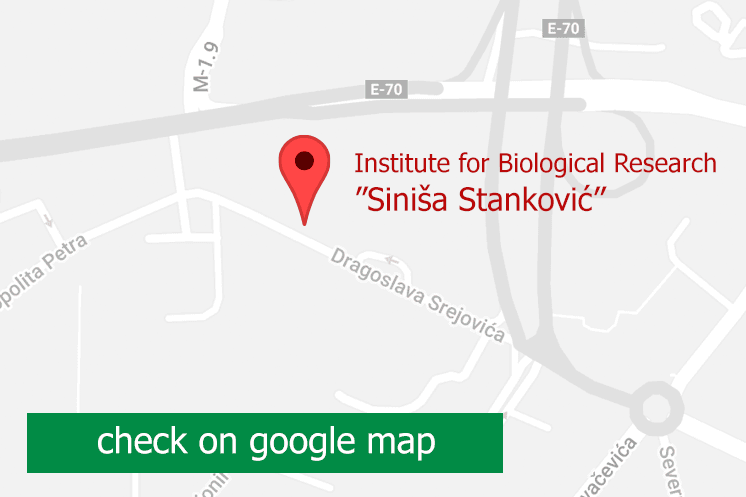
Bulevar despota Stefana 142
11108 Belgrade
Serbia


IBISS uses analytical cookies to analyze the use of the site in order to improve the user experience, by clicking "Accept" you consent to the use of cookies.