



Tamara Krajnović has been working in the Department of Immunology since 2014. She obtained her MSc degree in Molecular Biology and Physiology at the Faculty of Biology, University of Belgrade in 2013. In 2021, she obtained a Ph.D. in Biology at the same faculty. In the same year, she was awarded by the "Goran Ljubijankić" Foundation for the best doctoral thesis in the field of molecular biology. As an exchange student within the framework of three bilateral DAAD projects with Germany (2014-2018), she spent one month each year at the Leibniz Institute of Plant Biochemistry, Martin-Luther University, Halle. As part of the Erasmus+ international credit mobility for higher education students and staff, she stayed at the Saxon Incubator for Clinical Translation, Leipzig University in 2018. She participated in a national project (2014-2019), a bilateral project with the Republic of China (2018-2021) and three projects with industry (2019-2023). She is the coordinator of the work package of the ADVANCED project funded by the Prisma program of the Science Fund of the Republic of Serbia (2024-2027). She is an active member of Serbian Association for Cancer Research (SDIR), European Association for Cancer Research (EARC), Serbian Society for Molecular Biology (MolBioS), Immunological Society of Serbia (ISoS), European Federation of Immunological Societies (EFIS), Club of Serbian Young Immunologists (KMIS), Young European Federation of Immunological Societies (yEFIS), Serbian Society for Immunology, Molecular Oncology and Regenerative Medicine (SDIOR), Serbian Biochemical Society (SBS) and Serbian Society for Mitochondrial and Free Radical Physiology (SSMFRP). Her research interests concern the field of experimental oncology and tumor immunology, assesment of the efficacy of potential new therapeutics of natural and synthetic origin or their modifications in the treatment of various animal and human tumor and/or transformed cell lines in vitro or tumor animal models in vivo, investigating various aspects of immuno- and chemosensitization of malignant cells, studying the molecular mechanisms involved in cancer regulation and the signaling pathways mediating carcinogenesis, evaluating the antitumor potential of newly designed and modified forms of conventional chemotherapeutics, and application of nanotechnology in designing of novel therapeutic approaches.
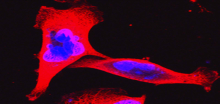
Understanding the physiological and functional characteristics of cancer cells at the individual level, and the tumor tissue as a highly orchestrated multicellular formation, by whose activity the tumor expands, invades and disseminates, is the main goal of cancer biology research today. Defining the causes of abnormal behavior of neoplastic cells individually and in the context of the tumor microenvironment, including the histological, metabolic and immunological specificities of this tissue, represents a platform for designing new approaches in cancer treatment. Investigating the phenomenon of initial or acquired tumor resistance helps to gain deeper insights into the reasons for limited effects of the conventional treatments, enabling the improvement of existing protocols.

Inflammation is a response to damage and danger in organisms and is an integral part of research in immunology, but also in other scientific disciplines, since inflammation occurs in numerous pathological conditions like diabetes or cancer. Immunology studies body’s defence mechanisms at cellular and molecular level in infective diseases, as well as immune system malfunctions in autoimmune diseases and allergies Modification of body’s immune system is useful in treatment of these diseases, and can be performed through pharmacological modulation or immunotherapy, where immune cells or their parts are used. Acute-phase proteins and potential biological markers of inflammation involved in the modification and integration of signalling pathways are being investigated in order to predict and intervene in diseases.

Nutrition is the process by which the body uses food to produce energy and sustain life. The science of nutrition studies the role of nutrients and other food components in the growth, reproduction, health and disease of the organism. Food ingredients with medicinal properties are called nutriceuticals and can be used to treat or prevent disease. There are more and more alternative sources of food, such as edible insects, which should limit the negative impact of food production on the environment.
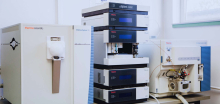
Natural products are complex chemical compounds synthesised by living organisms through biochemical processes, with a specific physiological or ecological function. Researchers at the Institute study the chemical characterization and isolation of natural products, metabolic engineering, as well as the assessment of the possibility of their application in industry (as medicaments, dietary supplements and functional food, biopesticides).
EDUCATION
2014 - 2018 PhD in Immunobiology, Faculty of Biology (FB), University of Belgrade (UB), Serbia. Field of training: cellular and molecular immunology
“Role of gut microbiota and gut-associated lymphoid tissue in resistance of Albino Oxford rats to experimental autoimmune encephalomyelitis induction”
2013 - 2014 MSc in Immunobiology, UB, FB
“Immunomodulatory Effects of Ethyl Pyruvate on BV2 Microglial Cells”
2008 - 2013 BSc in Molecular biology and Physiology, UB, FB
RESEARCH CAREER
2018 - Research Associate, Department of Immunology, Institute for Biological Research "Siniša Stanković" (IBISS), UB
2017 – 2018 Research Assistant, Department of Immunology, IBISS, UB
2016 – 2017 Junior Research Assistant, Department of Immunology, IBISS, UB
2014 – 2016 PhD student, Department of Immunology, IBISS, UB
2013 – 2014 Master student, Department of Immunology, IBISS, UB
RESEARCH INTEREST
Relationship between gut microbiota and mucosal immune system and autoimmune diseases; pathogenic mechanisms of experimental models of autoimmune diseases, including experimental autoimmune encephalomyelitis and type 1 diabetes; interaction of sepsis and autoimmune diseases, bioinformatics
SCIENTIFIC SOCIETIES MEMBERSHIP
Immunological Society of Serbia
European Federation of Immunological Societies
Serbian Neuroscience Society
Federation of European Neuroscience Societies
Serbian Biochemical Society
Federation of European Biochemical Societies
Serbian Society for Molecular Biology
2024 - Representative of Club of Young Immunologists
AWARDS
FEBS Collaborative and Experimental Scholarship for Central & Eastern Europe, 2017. (Research Group Transplantation, Edificio IdiPaz – Instituto de Investigacion Hospital Universitario La Paz, Madrid, Spain)
The Best Theme for Day of Immunology Award. International Union of Immunological Societies (IUIS) Day of Immunology Award, Best 2016 Theme Award, 2016. (member of the team)
Inflammation is a response to damage and danger in organisms and is an integral part of research in immunology, but also in other scientific disciplines, since inflammation occurs in numerous pathological conditions like diabetes or cancer. Immunology studies body’s defence mechanisms at cellular and molecular level in infective diseases, as well as immune system malfunctions in autoimmune diseases and allergies Modification of body’s immune system is useful in treatment of these diseases, and can be performed through pharmacological modulation or immunotherapy, where immune cells or their parts are used. Acute-phase proteins and potential biological markers of inflammation involved in the modification and integration of signalling pathways are being investigated in order to predict and intervene in diseases.
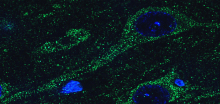
Neurobiology studies the anatomy, physiology, and pathology of the nervous system. From the molecular and biochemical basis of this system, to the study of behavioral plasticity, to understanding the driving forces of neurodegenerative diseases and how they can be treated. Electrophysiology studies biophysical properties in vertebrate neurons and links morphofunctional features of the brain to observed animal behavior. The ultimate goal is to identify active substances that may have a protective effect in neurological and psychiatric diseases.

Sanja Mijatovic graduated in Molecular Biology and Physiology at the Faculty of Biology at the University of Belgrade in 1994. She completed her Master's degree in Immunology at the Faculty of Biology in 1999 and her PhD in Immunology at the same faculty in 2005. She is currently employed as a principal research fellow at the Department of Immunology. She participated in four national and four bilateral projects funded by the Ministry of Education, Science and Technological Development of the Republic of Serbia, two projects funded by the Fund for Innovation Activities of the Republic of Serbia and two projects on cooperation with industry. Dr. Sanja Mijatović was the leader of one innovative and three bilateral projects financed by the Ministry of Education, Science and Technological Development of the Republic of Serbia. She is currently involved in the project: "Cancer repopulation caused by inflammation: seeds of progression and a platform for therapy", funded by the Science Fund of the Republic of Serbia within the Prizma programme. Dr. Sanja Mijatović was the mentor of two master's theses and two doctoral theses. Sanja Mijatović is part of the team of the group dealing with tumour biology and is a lecturer in the doctoral programme at the Faculty of Biology of the University of Belgrade and the Faculty of Medicine of the University of Belgrade. The focus of her research is the fundamental aspects of the tumor microenvironment, the complex interactions of cellular and non-cellular components that lead to the cross-talk between inflammation and regeneration, and, thereby, the development of new therapeutic platforms based on the acquired knowledge. The development of innovative approaches is currently based on the study of the antitumor properties of potential chemotherapeutic agents of synthetic or natural origin, as well as drugs of different original purpose in free form or in the context of nanotechnology application. The research is carried out on experimental models in vitro and in vivo, supported by a methodology that should make it possible to define the molecular processes underlying the observed phenomena. Dr. Sanja Mijatović is author or co-author of more than 120 original papers. At the moment, her h-index is 29 and the total number of citations (without self-citations) is 3800.
Understanding the physiological and functional characteristics of cancer cells at the individual level, and the tumor tissue as a highly orchestrated multicellular formation, by whose activity the tumor expands, invades and disseminates, is the main goal of cancer biology research today. Defining the causes of abnormal behavior of neoplastic cells individually and in the context of the tumor microenvironment, including the histological, metabolic and immunological specificities of this tissue, represents a platform for designing new approaches in cancer treatment. Investigating the phenomenon of initial or acquired tumor resistance helps to gain deeper insights into the reasons for limited effects of the conventional treatments, enabling the improvement of existing protocols.
Inflammation is a response to damage and danger in organisms and is an integral part of research in immunology, but also in other scientific disciplines, since inflammation occurs in numerous pathological conditions like diabetes or cancer. Immunology studies body’s defence mechanisms at cellular and molecular level in infective diseases, as well as immune system malfunctions in autoimmune diseases and allergies Modification of body’s immune system is useful in treatment of these diseases, and can be performed through pharmacological modulation or immunotherapy, where immune cells or their parts are used. Acute-phase proteins and potential biological markers of inflammation involved in the modification and integration of signalling pathways are being investigated in order to predict and intervene in diseases.
Natural products are complex chemical compounds synthesised by living organisms through biochemical processes, with a specific physiological or ecological function. Researchers at the Institute study the chemical characterization and isolation of natural products, metabolic engineering, as well as the assessment of the possibility of their application in industry (as medicaments, dietary supplements and functional food, biopesticides).

Inflammation is a response to damage and danger in organisms and is an integral part of research in immunology, but also in other scientific disciplines, since inflammation occurs in numerous pathological conditions like diabetes or cancer. Immunology studies body’s defence mechanisms at cellular and molecular level in infective diseases, as well as immune system malfunctions in autoimmune diseases and allergies Modification of body’s immune system is useful in treatment of these diseases, and can be performed through pharmacological modulation or immunotherapy, where immune cells or their parts are used. Acute-phase proteins and potential biological markers of inflammation involved in the modification and integration of signalling pathways are being investigated in order to predict and intervene in diseases.

Previous work experience - Institute for the Application of Nuclear Energy - INEP, University of Belgrade, Banatska 31b, 11080 Belgrade, Serbia, 05/04/1998. - 31.12.2022.
Education - Doctor of Biological Sciences, Faculty of Biology, University of Belgrade (2009); Master of Biological Sciences, Faculty of Biology, University of Belgrade (2002); graduate molecular biologist, Faculty of Biology, University of Belgrade (1998).
Research area - Investigation of the innate immune response to infection, molecules of the first line of defense, pattern recognition receptors. Examination of molecules, cells and mechanisms that mediate the modulation of the immune response and are involved in the modulation of autoimmune and other chronic inflammatory conditions.
Professional activities - Last national projects:
- Prizma: "Inflammation-driven cancer repopulation: seeds of progression and platform for therapy" (Science Fund of the Republic of Serbia, 2024-);
- Promis: "Novel Immunotherapeutic Approaches for Autoimmune Diseases based on Myeloid Derived Suppressor Cells induced by Nanomaterials" (Science Fund of the Republic of Serbia, 2020-2022);
- Proof of Concept: "Development of anti-allergic intranasal spray EVTRIS based on extracellular vesicles from Trichinella spiralis" (Innovation Fund of the Republic of Serbia, 2020-2021).
Participation in international projects:
- COST action BM1305: Action to Focus and Accelerate Cell-based Tolerance-inducing Therapies (A FACTT) (2014-2017);
- Bilateral projects: 1) "Testing the Hygiene Hypothesis: Trichinella spiralis secreted proteins in treatment of airway inflammation" (project participant; No.: 451-03-02141/2017-09/16; 2018-2020); 2) "Trichinella spiralis releases extracellular vesicles: Can they modulate the host's immune system?" (337-00-577/2021-09/41; 2022-2024) (project leader).
Membership in domestic and international societies – Immunological Society of Serbia; EFIS, IUIS; Biochemical Society of Serbia; Biological Society of Serbia.
Inflammation is a response to damage and danger in organisms and is an integral part of research in immunology, but also in other scientific disciplines, since inflammation occurs in numerous pathological conditions like diabetes or cancer. Immunology studies body’s defence mechanisms at cellular and molecular level in infective diseases, as well as immune system malfunctions in autoimmune diseases and allergies Modification of body’s immune system is useful in treatment of these diseases, and can be performed through pharmacological modulation or immunotherapy, where immune cells or their parts are used. Acute-phase proteins and potential biological markers of inflammation involved in the modification and integration of signalling pathways are being investigated in order to predict and intervene in diseases.

EDUCATION
1993 PhD in Immunology, University of Belgrade (UB), Faculty of Pharmacy (FP)
1988 MSc in Immunology, UB, FP
1985 BSc in Pharmacy, UB, FP
RESEARCH CAREER
2015-present Principal Research Fellow, Department of Immunology IBISS, UB
2004-2014 Principal Research Fellow, Head of the Scientific Research Department, Institute of Virology, Vaccines and Sera “Torlak”, Belgrade
1998-2003 Senior Research Associate, “Torlak”
1994-1997 Research Associate, Immunology Research Center (IRC), Belgrade
1989-1993 Research Assistant, IRC
1985-1988 Junior Research Assistant, IRC
RESEARCH INTEREST
Relationship between the intestinal immune system and autoimmune diseases of the central nervous system; neuropeptides and hormones in the modulation of inflammation and autoimmune diseases, including experimental autoimmune encephalomyelitis and collagen-induced arthritis; aging of the immune system and its relationship to the development of autoimmune diseases.
SCIENTIFIC SOCIETIES MEMBERSHIP: Immunological Society of Serbia; Serbian Society for Molecular Biology; Serbian Biochemical Society.
Inflammation is a response to damage and danger in organisms and is an integral part of research in immunology, but also in other scientific disciplines, since inflammation occurs in numerous pathological conditions like diabetes or cancer. Immunology studies body’s defence mechanisms at cellular and molecular level in infective diseases, as well as immune system malfunctions in autoimmune diseases and allergies Modification of body’s immune system is useful in treatment of these diseases, and can be performed through pharmacological modulation or immunotherapy, where immune cells or their parts are used. Acute-phase proteins and potential biological markers of inflammation involved in the modification and integration of signalling pathways are being investigated in order to predict and intervene in diseases.

Miljana Momčilović was born on 23rd of January, 1978 in Belgrade. She is a research professor at the Institute for Biological Research „Siniša Stanković“, University of Belgrade, where she is in the Department of Immunology in the Group for Neuroimmunology. She obtained her PhD in Immunology at the Faculty of Biology, University of Belgrade in 2008. Her main research interest is in autoimmunity, multiple sclerosis in particular. Her current lines of investigation include gut immune cells and their role in autoimmunity, physiological and pharmacological modulation of autoimmunity.
Inflammation is a response to damage and danger in organisms and is an integral part of research in immunology, but also in other scientific disciplines, since inflammation occurs in numerous pathological conditions like diabetes or cancer. Immunology studies body’s defence mechanisms at cellular and molecular level in infective diseases, as well as immune system malfunctions in autoimmune diseases and allergies Modification of body’s immune system is useful in treatment of these diseases, and can be performed through pharmacological modulation or immunotherapy, where immune cells or their parts are used. Acute-phase proteins and potential biological markers of inflammation involved in the modification and integration of signalling pathways are being investigated in order to predict and intervene in diseases.
Neurobiology studies the anatomy, physiology, and pathology of the nervous system. From the molecular and biochemical basis of this system, to the study of behavioral plasticity, to understanding the driving forces of neurodegenerative diseases and how they can be treated. Electrophysiology studies biophysical properties in vertebrate neurons and links morphofunctional features of the brain to observed animal behavior. The ultimate goal is to identify active substances that may have a protective effect in neurological and psychiatric diseases.

EDUCATION
2017- 2021 PhD in Immunobiology (“Effects of hydrogen-sulfide donor, morpholin-4-ium 4-methoxyphenyl (morpholino) phosphinodithioate, on immune cells involved in experimental autoimmune encephalomyelitis pathogenesis”), Faculty of Biology, University of Belgrade, Serbia.
2016- 2017 Master of Science in Immunobiology (“Anti-encephalitogenic effects of pomegranate (Punica granatum L.) peel extract”), Department of Molecular Biology and Physiology, Faculty of Biology, University of Belgrade, Serbia;
2012- 2016 Bachelor of Science, Department of Molecular Biology and Physiology, Faculty of Biology, University of Belgrade, Serbia;
RESEARCH CAREER
2022- present Research Associate, Department of Immunology IBISS, UB
2020- 2022 Research Assistant, Department of Immunology IBISS, UB
2018- 2020 Junior Research Assistant, Department of Immunology IBISS, UB
SCIENTIFIC SOCIETIES MEMBERSHIP
Immunological Society of Serbia
Serbian Biochemical Society
Serbian Society for Molecular Biology
Serbian Neuroscience Society
RESEARCH FIELD
Immunology, neuroimmunology, autoimmunity, experimental autoimmune encephalomyelitis, gut and lung immune system
Inflammation is a response to damage and danger in organisms and is an integral part of research in immunology, but also in other scientific disciplines, since inflammation occurs in numerous pathological conditions like diabetes or cancer. Immunology studies body’s defence mechanisms at cellular and molecular level in infective diseases, as well as immune system malfunctions in autoimmune diseases and allergies Modification of body’s immune system is useful in treatment of these diseases, and can be performed through pharmacological modulation or immunotherapy, where immune cells or their parts are used. Acute-phase proteins and potential biological markers of inflammation involved in the modification and integration of signalling pathways are being investigated in order to predict and intervene in diseases.
Neurobiology studies the anatomy, physiology, and pathology of the nervous system. From the molecular and biochemical basis of this system, to the study of behavioral plasticity, to understanding the driving forces of neurodegenerative diseases and how they can be treated. Electrophysiology studies biophysical properties in vertebrate neurons and links morphofunctional features of the brain to observed animal behavior. The ultimate goal is to identify active substances that may have a protective effect in neurological and psychiatric diseases.

Dr. Marija Mojić received her Ph.D. in 2013 from the University of Belgrade, Institute for Biological Research “Siniša Stanković” National Institute of the Republic of Serbia. The same year, her doctoral thesis was awarded “Best Doctoral Dissertation”, from the Foundation “Goran Ljubijankić”, Belgrade, Serbia. She spent five years (2014-2019) as a postdoctoral researcher in Prof. Hayakawa’s group in the Division of Pathogenic Biochemistry, Institute of Natural Medicine, University of Toyama, Japan. There, her research focused on defining the changes in CD8 T cell activation markers in the tumor microenvironment during tumor progression and the changes in the phenotype of immune-escaped tumor cells. Aside from postdoctoral training, Marija also received training at the pharmaceutical company Novartis in Basel, Switzerland (2008) and at the University of Tokyo, Japan (July-September 2009). Since 2020 she has been employed at the Department of Immunology, where her research focuses on exploring anti-cancer properties and mechanism of actions of newly synthetized compounds. Marija is a work package coordinator of the project ADVANCED from the Prisma program, funded by the Science Fund of the Republic of Serbia (2024-2027). She is also an active member of the Serbian Biochemical Society, the European Federation of Biochemical Societies, The Serbian Society for Molecular Biology, the Immunological Society of Serbia, and the European Federation of Immunological Societies.
Understanding the physiological and functional characteristics of cancer cells at the individual level, and the tumor tissue as a highly orchestrated multicellular formation, by whose activity the tumor expands, invades and disseminates, is the main goal of cancer biology research today. Defining the causes of abnormal behavior of neoplastic cells individually and in the context of the tumor microenvironment, including the histological, metabolic and immunological specificities of this tissue, represents a platform for designing new approaches in cancer treatment. Investigating the phenomenon of initial or acquired tumor resistance helps to gain deeper insights into the reasons for limited effects of the conventional treatments, enabling the improvement of existing protocols.
Inflammation is a response to damage and danger in organisms and is an integral part of research in immunology, but also in other scientific disciplines, since inflammation occurs in numerous pathological conditions like diabetes or cancer. Immunology studies body’s defence mechanisms at cellular and molecular level in infective diseases, as well as immune system malfunctions in autoimmune diseases and allergies Modification of body’s immune system is useful in treatment of these diseases, and can be performed through pharmacological modulation or immunotherapy, where immune cells or their parts are used. Acute-phase proteins and potential biological markers of inflammation involved in the modification and integration of signalling pathways are being investigated in order to predict and intervene in diseases.
Natural products are complex chemical compounds synthesised by living organisms through biochemical processes, with a specific physiological or ecological function. Researchers at the Institute study the chemical characterization and isolation of natural products, metabolic engineering, as well as the assessment of the possibility of their application in industry (as medicaments, dietary supplements and functional food, biopesticides).

Redox biology is the study of all aspects of biology mediated or influenced by biochemical processes involving reduction (gain of electrons) and oxidation (loss of electrons). Redox homeostasis is central to the basic functions of life, including metabolism and respiration, and when altered it can promote the progression of disease and ageing.
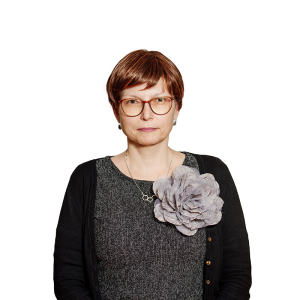
Ivana Stojanović is a principal research fellow who finished Molecular Biology and Physiology graduate studies at the Faculty of Biology, University of Belgrade in 2001. Dr. Stojanovic obtained her PhD in Immunology at the Faculty of Biology, University of Belgrade in 2004. From 2001. she is employed at Department of Immunology, Institute for Biological Research “Siniša Stanković“ – National Institute of the Republic of Serbia (IBISS), University of Belgrade, Belgrade, Serbia. She participated in three national projects financed by the Ministry of Education, Science and Technological Development, Republic of Serbia, two funded by Science Fund of the Republic of Serbia, one Innovation project and four international projects. Dr. Stojanovic was a principle investigator in the project “The role of macrophage migration inhibitory factor in beta cell apoptosis and pathogenesis of obesity-associated type 2 diabetes” funded by EFSD/AstraZeneca Young Investigator Award (2007-2009), “Generation of insulin-specific T regulatory cells for the treatment of type 1 diabetes” funded by Iacocca Family Foundation (USA) (2016-2017), Serbian Science and Diaspora Collaboration Program funded by Science Fund (2020-2022). Dr. Stojanovic supervised 7 Master and 3 PhD theses. She is a lecturer at the PhD programme at the Faculty of Biology, University of Belgrade. Currently, Dr. Stojanovic is a leader of the Group for Diabetes Study at Department of Immunology, IBISS that focuses on the basics of type 1 diabetes pathogenesis and the possibilities of diabetes modulation by innovative therapeutic approaches. Her work involves ILC3 and regulatory T cell modulation through AHR and FFAR2 receptors and the application of mesenchymal stem cells and plant-derived compounds for the treatment of type 1 diabetes using a mouse model. Dr. Stojanovic has published 76 full-length peer-reviewed papers in international journals and 2 chapters in international books with h-index 24 and total number of citations (excluding auto citations) over 1900.
Inflammation is a response to damage and danger in organisms and is an integral part of research in immunology, but also in other scientific disciplines, since inflammation occurs in numerous pathological conditions like diabetes or cancer. Immunology studies body’s defence mechanisms at cellular and molecular level in infective diseases, as well as immune system malfunctions in autoimmune diseases and allergies Modification of body’s immune system is useful in treatment of these diseases, and can be performed through pharmacological modulation or immunotherapy, where immune cells or their parts are used. Acute-phase proteins and potential biological markers of inflammation involved in the modification and integration of signalling pathways are being investigated in order to predict and intervene in diseases.
Phone: +381 11 20 78 300
Fax: +381 11 27 61 433
Email: ibiss@ibiss.bg.ac.rs
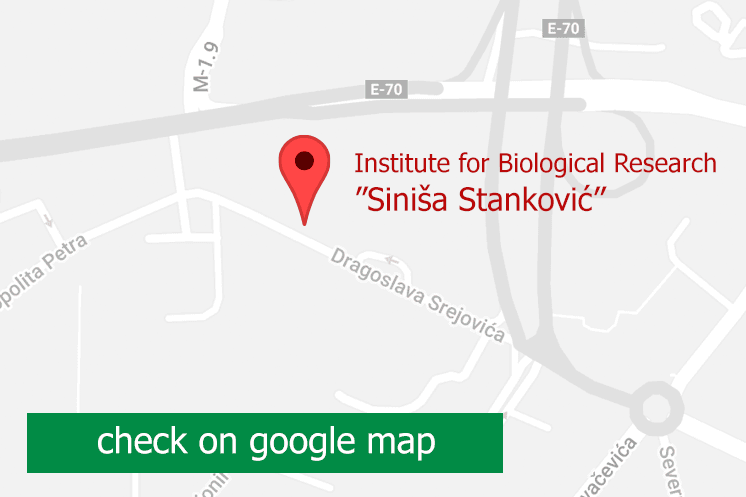
Bulevar despota Stefana 142
11108 Belgrade
Serbia


IBISS uses analytical cookies to analyze the use of the site in order to improve the user experience, by clicking "Accept" you consent to the use of cookies.