



Research field: Ecology, ornithology, conservation biology, and conservation genetics
Education:
• PhD in ecological sciences, Faculty of Biology, University of Belgrade. (2022).
• Master of Science degree equivalent in biology, Faculty of Biology, University of Belgrade. (2012).
Employment history:
• Natural History Museum Belgrade (2021-2023).
• Institute for Biological Research “Siniša Stanković”, University of Belgrade (2023-present)
Selected projects:
• "Belgrade Ornithological Research and Ringing Center" the project of the Birds of Prey Protection Foundation, was co-funded by the Secretariat for Environmental Protection, City Administration of the City of Belgrade (V-01/4011-51). (2020).
• “Management of Griffon Vulture’s Population (Gyps fulvus) in Special Nature Reserves:” Trešnjica River Gorge” and “Uvac” through Marking and Monitoring Programs Using Satellite Technology and Video Surveillance” the project of the Birds of Prey Protection Foundation, was co-funded by the Ministry of Environment Protection (401-00-745/2019-05). (2019).
• “Management of the population of Griffon Vulture using satellite technology” the project of the Birds of Prey Protection Foundation, was co-funded by the Ministry of Environmental Protection of the Republic of Serbia (401-00-742/18-05). (2018).
• "Belgrade's Falcons" the project of the Foundation for the Protection of Birds of Prey, was co-funded by the Secretariat for Environmental Protection, City Administration of the City of Belgrade (401.127/2014-5-01).(2014).
Scientific membership: Serbian Biological Society

• 2021- Present, Ph.D. Module: Genetics, Faculty of Biology, University of Belgrade
• 2021, M.Sc. Module: Applied Genetics, Faculty of Biology, University of Belgrade, Master thesis topic: "Increasing the tolerance of indigenous bacteria from cosmetic industry wastewater to sodium dodecyl sulphate by adaptive laboratory evolution"
• 2020,B.Sc. Module: Biology, Faculty of Biology, University of Belgrade
• Research interests in the field of genetics and conservation biology
• Research on an endangered mammal species - the blind-mole rat Nannospalax leucodon: conservation genetics
• 2022-Present, Department of Genetic Research, Institute for Biological Research "Siniša Stanković" - Institute of National Importance for the Republic of Serbia, University of Belgrade
Special activities and awards:
• 2020, Scholarship for Extraordinary Gifted Students grant- Ministry of Education, Science and Technological Development of the Republic of Serbia
• 2020-2021, engagement and work on the diagnosis of the infectious disease Covid-19 in the PCR laboratory at the airport "Nikola Tesla"
Memberships in scientific associations:
• Serbian Biological Society (SBD)
• Society of Geneticists of Serbia
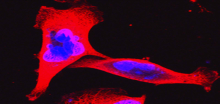
Understanding the physiological and functional characteristics of cancer cells at the individual level, and the tumor tissue as a highly orchestrated multicellular formation, by whose activity the tumor expands, invades and disseminates, is the main goal of cancer biology research today. Defining the causes of abnormal behavior of neoplastic cells individually and in the context of the tumor microenvironment, including the histological, metabolic and immunological specificities of this tissue, represents a platform for designing new approaches in cancer treatment. Investigating the phenomenon of initial or acquired tumor resistance helps to gain deeper insights into the reasons for limited effects of the conventional treatments, enabling the improvement of existing protocols.

Biodiversity is the variety and variability of life on Earth. It encompasses diversity at the genetic, taxonomic and ecosystem levels. Biodiversity is important in both natural and artificial ecosystems. Today, biodiversity is threatened by habitat loss and fragmentation, unsustainable resource use, invasive species, pollution and global climate change.

Conservation biology aims to conserve biodiversity on Earth and is concerned with the long-term sustainability of ecosystems. With an interdisciplinary approach, conservation biology addresses conservation problems at the level of species, communities, and ecosystems that are directly or indirectly disturbed by human activities or other impacts.
Population genetics studies genetic composition - distribution and change in frequency of alleles over time, within and between populations. It uses mathematical models of allele frequency dynamics, makes predictions about the likely patterns of genetic variation in actual populations, and tests the predictions against empirical data.

Education:
2010, Ph.D. Faculty of Biology, University of Belgrade; Ph.D. Dissertation: "The maintenance of B chromosomes in populations of the yellow-necked mouse, Apodemus flavicollis (Mammalia, Rodentia): Geometric morphometric analysis of morphological variability and its components"
2005, M.Sc. Faculty of Biology, University of Belgrade; M.Sc. Thesis: "The effects of B chromosomes in a population of yellow-necked mouse Apodemus flavicollis (Rodentia, Mammalia): Morphometric analysis of the mandible"
2000, B.Sc. Faculty of Biology, University of Belgrade
Employment:
December 2001-Present, Department of Genetic Research, IBISS
Research interests:
Zoology – traditional and geometric morphometrics in zoology; Evolutionary biology – evolution of complex morphological structures in vertebrates; morphological variability and its components (canalization, developmental stability, and morphological integration); Genetics – supernumerary B chromosomes; Taxonomy – traditional and geometric morphometrics in integrative taxonomy
Other relevant information:
One of the pioneers of geometric morphometrics in Serbia. Since 2007, passing on her knowledge and experience in geometric morphometrics to younger colleagues by teaching Morphometry within PhD studies at the Faculty of Biology, University of Belgrade and by supervising and mentoring of graduate, master's and Ph.D. students
2020-2022, Leader of bilateral (Serbia-Slovenia) project "The role of phylogeny and ecology in structuring mandibular and cranial variation patterns in Apodemus (Muridae, Rodentia) species" (337-00-21/2020-09/9)
Reviewer for: BMC Evolutionary Biology; Journal of Evolutionary Biology; Zoological Journal of the Linnean Society; Contributions to Zoology; Journal of Morphology; Zoologischer Anzeiger; Biological Journal of the Linnean Society; European Journal of Taxonomy; Mammalian Biology; Acta Theriologica; Journal of Applied Ichthyology; Archives of Biological Sciences; Turkish Journal of Zoology; Turkish Journal of Entomology; Acta Zoologica Bulgarica; Acta Biologica Slovenica; Anatomia, Histologia, Embryologia; Iranian Journal of Animal Biosystematics
January 2019-Present, Member of the Advisory Board of peer-reviewed scientific journal Zoologischer Anzeiger
Member of IBISS’s Scientific Board in four periods: 2011-2013; 2019-2021; 2021-2023; 2023-2025
Member of Serbian Genetic Society and Serbian Biological Society

Aquatic ecology studies the ecosystems in aquatic environments including seas, rivers, lakes, ponds and wetlands. It examines the interaction between the physical, chemical, and biological components of aquatic ecosystems. Aquatic ecologists are also interested in human interactions with the environment, and the impact of human activity on aquatic ecosystems.
Biodiversity is the variety and variability of life on Earth. It encompasses diversity at the genetic, taxonomic and ecosystem levels. Biodiversity is important in both natural and artificial ecosystems. Today, biodiversity is threatened by habitat loss and fragmentation, unsustainable resource use, invasive species, pollution and global climate change.
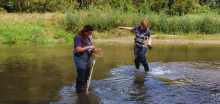
Biomonitoring is the process of systematically observing, measuring, and analysing the physiological, biochemical, molecular, and genetic responses of living organisms to environmental changes, thus providing qualitative or quantitative information on the state of the environment. It includes the use of various bioindicators, biomonitors, bioaccumulators, and biomarkers.

Eco-Evo-Devo combines ecology, evolutionary theory and developmental biology. Within the Eco-Evo-Devo, the influence of environmental signals (biotic and abiotic) on the structure and dynamics of populations, the formation of new phenotypes during the developmental process, and their evolution is studied on different taxa of plants, animals and fungi.
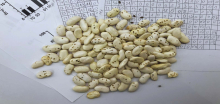
The evolution of life history traits explains how evolutionary mechanisms (primarily natural selection) optimize the survival and reproduction of organisms under specific environmental conditions. Life history traits form the basis of an organism's adaptive value and include: developmental time, size, number, size and sex of offspring, survival rate at different life stages, longevity; etc. At the Institute, the evolution of life histories is studied in natural and laboratory populations.

Climate change is an all-encompassing and growing global threat to biodiversity and ecosystems. It directly leads to phenological, physiological, morphological, and ethological changes, the spread of invasive species, and a decrease in the number of native species and their extinction. Changed climatic conditions affect habitat quality, resulting in changes in the distribution of species and communities. In order to mitigate the effects of climate change on the environment, it is necessary to predict and understand their impact on the living world.
Conservation biology aims to conserve biodiversity on Earth and is concerned with the long-term sustainability of ecosystems. With an interdisciplinary approach, conservation biology addresses conservation problems at the level of species, communities, and ecosystems that are directly or indirectly disturbed by human activities or other impacts.
Population genetics studies genetic composition - distribution and change in frequency of alleles over time, within and between populations. It uses mathematical models of allele frequency dynamics, makes predictions about the likely patterns of genetic variation in actual populations, and tests the predictions against empirical data.

Terrestrial ecology studies relationships between organisms and ecological communities (biocenoses) on the one hand and external environmental conditions on the other. It also investigates the interaction between living beings on land. This research provides a conceptual basis for understanding processes in terrestrial ecosystems and their sensitivity to environmental and biotic changes.
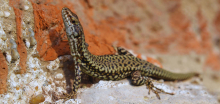
Urban ecology focuses on studying fundamental ecological concepts within urban areas. It examines how ecological patterns, relations and processes differ in urban environments compared to non-urban environments, and investigates the impact of urbanisation on the ecology of organisms. Additionally, urban ecology examines the relationships and interactions between ecological and social systems within urban ecosystems that are made exclusively by anthropogenic activity.
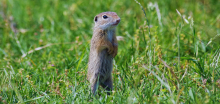
Environmental protection comprises reduction or prevention of pollution, negative impacts on the environment, damage caused to ecosystems or natural resources caused by human activities.

EDUCATION:
2010. Ph.D., Genetics, University of Belgrade, Serbia, entitled: “Molecular phylogeny of species of the genus Apodemus (Mammalia, Rodentia) from Serbia.”
2003. B.S., Biology, University of Belgrade, Belgrade, Serbia.
EMPLOYMENT:
December 3rd 2004– Present Department of Genetic Research, Institute for Biological Research "Siniša Stanković", University of Belgrade
RESEARCH INTERESTS:
- biodiversity and conservation of different vertebrate taxa, their parasites and pathogens, their taxonomy, phylogenetic relationships and genetic structure, the population history and phylogeographic patterns;
- cryptic speciation, karyotype evolution, the role of chromosomal rearrangements in speciation – connection to cancer resistance, longevity and regeneration of the European blind mole rat species complex Nannospalax leucodon (Spalacinae, Rodentia) as a non-conventional model organism;
- research and development of non-invasive molecular genetic methods for differentiation between morphologically similar closely related species; the detection of cryptic species and chromosomal forms with the aim to improve their monitoring and level of threat.
- supernumerary chromosomes – the structure, transcriptional activity, origin, effects, inheritance in a model organism- the yellow-necked mice Apodemus flavicollis (Rodentia, Mammalia).
- supervising and mentoring of graduate, undergraduate students and PhD candidates;
INTERNATIONAL SCIENTIFIC COLLABORATION AND MOBILITY:
Collaboration with Institute of Human Genetic, Friedrich Schiller University Jena, Germany, through visits over DAAD sponsored project “University partnership program” in September 2015. and May 2016.
PROJECTS:
2020-2022 PI of a bilateral project “Pavle Savić" of the "Hubert Curien Partnership" (PHC) cooperation between the Republic of Serbia and the Republic of France entitled “Nematostella vectensis (Actinaria, Anthozoa) as a model for the investigation of Usher proteins - integral components of mechanosensory stereocilia of the inner ear”.
EDITORIAL BOARD:
2017 –2022 Molecular Cytogenetics IF 1.233; 2022 – present Frontiers in Genetics IF 4.772;
PROFESSIONAL AFFILIATTIONS:
Serbian Biological Society, Serbian Genetic Society, International Society of Zoological Sciences
Biodiversity is the variety and variability of life on Earth. It encompasses diversity at the genetic, taxonomic and ecosystem levels. Biodiversity is important in both natural and artificial ecosystems. Today, biodiversity is threatened by habitat loss and fragmentation, unsustainable resource use, invasive species, pollution and global climate change.
Biomonitoring is the process of systematically observing, measuring, and analysing the physiological, biochemical, molecular, and genetic responses of living organisms to environmental changes, thus providing qualitative or quantitative information on the state of the environment. It includes the use of various bioindicators, biomonitors, bioaccumulators, and biomarkers.
Eco-Evo-Devo combines ecology, evolutionary theory and developmental biology. Within the Eco-Evo-Devo, the influence of environmental signals (biotic and abiotic) on the structure and dynamics of populations, the formation of new phenotypes during the developmental process, and their evolution is studied on different taxa of plants, animals and fungi.
The evolution of life history traits explains how evolutionary mechanisms (primarily natural selection) optimize the survival and reproduction of organisms under specific environmental conditions. Life history traits form the basis of an organism's adaptive value and include: developmental time, size, number, size and sex of offspring, survival rate at different life stages, longevity; etc. At the Institute, the evolution of life histories is studied in natural and laboratory populations.
Climate change is an all-encompassing and growing global threat to biodiversity and ecosystems. It directly leads to phenological, physiological, morphological, and ethological changes, the spread of invasive species, and a decrease in the number of native species and their extinction. Changed climatic conditions affect habitat quality, resulting in changes in the distribution of species and communities. In order to mitigate the effects of climate change on the environment, it is necessary to predict and understand their impact on the living world.
Conservation biology aims to conserve biodiversity on Earth and is concerned with the long-term sustainability of ecosystems. With an interdisciplinary approach, conservation biology addresses conservation problems at the level of species, communities, and ecosystems that are directly or indirectly disturbed by human activities or other impacts.
Population genetics studies genetic composition - distribution and change in frequency of alleles over time, within and between populations. It uses mathematical models of allele frequency dynamics, makes predictions about the likely patterns of genetic variation in actual populations, and tests the predictions against empirical data.
Terrestrial ecology studies relationships between organisms and ecological communities (biocenoses) on the one hand and external environmental conditions on the other. It also investigates the interaction between living beings on land. This research provides a conceptual basis for understanding processes in terrestrial ecosystems and their sensitivity to environmental and biotic changes.
Urban ecology focuses on studying fundamental ecological concepts within urban areas. It examines how ecological patterns, relations and processes differ in urban environments compared to non-urban environments, and investigates the impact of urbanisation on the ecology of organisms. Additionally, urban ecology examines the relationships and interactions between ecological and social systems within urban ecosystems that are made exclusively by anthropogenic activity.
Environmental protection comprises reduction or prevention of pollution, negative impacts on the environment, damage caused to ecosystems or natural resources caused by human activities.

Milan is a research associate whose primary focus lies in the fields of parasitology, molecular ecology, and zoonoses, with a specific emphasis on echinococcosis. His professional career started in 2014 at the National Reference Laboratory for Rabies, Pasteur Institute Novi Sad. Since 2019, Milan has been employed at the Department of Genetic Research, Institute for Biological Research "Siniša Stanković", National Institute of Republic of Serbia, Belgrade, Serbia. In September 2020, Milan defended his doctoral dissertation entitled “Ecology and significance of the red fox (Vulpes vulpes L.) and jackal (Canis aureus L.) as a natural reservoir of multilocular echinococcosis and other intestinal zoonosis in Vojvodina” at the Department of Biology and Ecology, Faculty of Sciences, Novi Sad, Serbia, earning his PhD in Ecological Sciences. Milan has been involved in two projects funded by the Government of the Autonomous Province of Vojvodina and the Ministry of Education, Science and Technological Development of the Republic of Serbia. As a recipient of a scholarship for a research visit under the "IT makes S(ci)ENSE" program in 2022, he underwent professional training at ANSES, the National Reference Laboratory for Echinococcus spp., Laboratory for Rabies and Wildlife in Nancy, France. He is an active member of the Serbian Parasitological Society and the One Health Association of Serbia. He has also contributed several times to the promotion of science through various media.
Biomonitoring is the process of systematically observing, measuring, and analysing the physiological, biochemical, molecular, and genetic responses of living organisms to environmental changes, thus providing qualitative or quantitative information on the state of the environment. It includes the use of various bioindicators, biomonitors, bioaccumulators, and biomarkers.
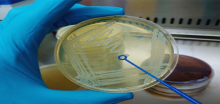
Microbiology studies the structure, function, genetics, and ecology of microorganisms, including bacteria, viruses, fungi, and protozoa. Within the Institute, important areas of microbiological research include medical microbiology, environmental microbiology and industrial microbiology.
Population genetics studies genetic composition - distribution and change in frequency of alleles over time, within and between populations. It uses mathematical models of allele frequency dynamics, makes predictions about the likely patterns of genetic variation in actual populations, and tests the predictions against empirical data.
Urban ecology focuses on studying fundamental ecological concepts within urban areas. It examines how ecological patterns, relations and processes differ in urban environments compared to non-urban environments, and investigates the impact of urbanisation on the ecology of organisms. Additionally, urban ecology examines the relationships and interactions between ecological and social systems within urban ecosystems that are made exclusively by anthropogenic activity.

Marija is a research associate at the Department of Genetics Research, where she has been employed since September 2012. In June 2019, Marija completed her PhD in Genetics at the University of Belgrade. Previously, Marija completed her studies in Molecular Biology and Physiology at the University of Belgrade in July 2012.
Marija's research includes both laboratory and field work. Her main interest is genetics research, karyotype analysis with a focus on B chromosomes – additional chromosomes in the standard karyotype, in small mammals and bats. She is particularly interested in the various zoonoses transmitted by these two groups of organisms. She is currently working on the establishment and maintenance of primary tissue cultures and karyotype analysis of the yellow-necked mouse (Apodemus flavicollis), Leisler’s bat (Nyctalus leisleri) and common shrew (Sorex araneus). She is also investigating the presence of Borrelia burgdorferri sensu lato infections in rodents that are its most common known reservoirs in the Belgrade area.
Marija is involved in science popularization and promotion of the Institute. Since 2016, Marija has taken part in organization of the European Researcher's Night as part of the Institute for Biological Research “Siniša Stanković” team. She actively participated in projects from HORIZON 2020 Programme (H2020-MSCA-NIGHT-2016-2017-ReFocuS-722341; H2020-MSCA-NIGHT-2018-2019-ReFocuS 2.0-818325; H2020 - ReFocuS 3.0, 2020) and participates in Horizon Europe project: HORIZON-MSCA-2022-CITIZENS-01-ReFocuS Art-101061356; HORIZON-MSCA-2023-CITIZENS-01-101161922. Since September 2017, Marija has been working as a Teaching Associate at the Petnica Science Centre, training young people.
Biodiversity is the variety and variability of life on Earth. It encompasses diversity at the genetic, taxonomic and ecosystem levels. Biodiversity is important in both natural and artificial ecosystems. Today, biodiversity is threatened by habitat loss and fragmentation, unsustainable resource use, invasive species, pollution and global climate change.
Microbiology studies the structure, function, genetics, and ecology of microorganisms, including bacteria, viruses, fungi, and protozoa. Within the Institute, important areas of microbiological research include medical microbiology, environmental microbiology and industrial microbiology.
Population genetics studies genetic composition - distribution and change in frequency of alleles over time, within and between populations. It uses mathematical models of allele frequency dynamics, makes predictions about the likely patterns of genetic variation in actual populations, and tests the predictions against empirical data.
Urban ecology focuses on studying fundamental ecological concepts within urban areas. It examines how ecological patterns, relations and processes differ in urban environments compared to non-urban environments, and investigates the impact of urbanisation on the ecology of organisms. Additionally, urban ecology examines the relationships and interactions between ecological and social systems within urban ecosystems that are made exclusively by anthropogenic activity.

Jelena Blagojević graduated in Biology from the Faculty of Science at the University of Belgrade in 1988, and next year started her research career at the Institute for Biological Research. In 1991, she completed a Master's degree in genetics and, in 1997, she obtained a Doctor of Science degree in the same field. Since 2019, she has been the Head of the Department for Genetic Research.
Her research interests are mainly focused on the areas of population and evolutionary genetics. Throughout her research work, she has been studying the phenomenon of B chromosomes (Bs) and various aspects of their biology. This is the oldest known chromosomal polymorphism studied in mammals. Her most significant achievements have been in the studies conducted in natural populations of Apodemus flavicollis. Her work in this area has not only made significant progress in understanding the widespread distribution of Bs in this species but has also opened up new research directions and defined new concepts and approaches for studying Bs in mammals. Her research on the B chromosome includes its origin, maintenance mechanisms, and phenotype-level effects ranging from morphology to gene expression.
In addition to the B chromosome, her scientific interests are also focused on cytogenetics, population genetics, and evolutionary ecological issues. Part of the interest concerns the host-parasite co-evolution, speciation dynamics, and the anthropogenic impact on the genetic diversity of small rodents and insectivores, alongside their parasites, particularly in urban environments. Furthermore, she displays a keen interest in ecogenotoxicology and explores the effects of environmental factors on DNA integrity.
Dr. Blagojević is dedicated to mentoring work and is a teacher of doctoral studies at the Faculty of Biology, University of Belgrade. She is active in the dissemination of scientific results and is a member of relevant professional associations, including the Society of Geneticists of Serbia, where she is a member of the Presidency.
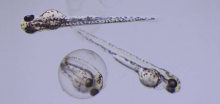
Ecotoxicology studeies the toxic effects of chemicals on the environment. The effects are studied at the level of molecules, cells, tissues, organs, individual organisms, populations or ecosystems.
The evolution of life history traits explains how evolutionary mechanisms (primarily natural selection) optimize the survival and reproduction of organisms under specific environmental conditions. Life history traits form the basis of an organism's adaptive value and include: developmental time, size, number, size and sex of offspring, survival rate at different life stages, longevity; etc. At the Institute, the evolution of life histories is studied in natural and laboratory populations.

Functional ecology focuses on the understanding of various biological phenomena (functions) at different levels of organization from organisms to ecosystems, thus enabling the understanding of the existence of certain patterns in nature. It identifies and studies the processes and/or activities that keep an organism or entire ecosystem functioning.
Conservation biology aims to conserve biodiversity on Earth and is concerned with the long-term sustainability of ecosystems. With an interdisciplinary approach, conservation biology addresses conservation problems at the level of species, communities, and ecosystems that are directly or indirectly disturbed by human activities or other impacts.
Population genetics studies genetic composition - distribution and change in frequency of alleles over time, within and between populations. It uses mathematical models of allele frequency dynamics, makes predictions about the likely patterns of genetic variation in actual populations, and tests the predictions against empirical data.
Terrestrial ecology studies relationships between organisms and ecological communities (biocenoses) on the one hand and external environmental conditions on the other. It also investigates the interaction between living beings on land. This research provides a conceptual basis for understanding processes in terrestrial ecosystems and their sensitivity to environmental and biotic changes.
Urban ecology focuses on studying fundamental ecological concepts within urban areas. It examines how ecological patterns, relations and processes differ in urban environments compared to non-urban environments, and investigates the impact of urbanisation on the ecology of organisms. Additionally, urban ecology examines the relationships and interactions between ecological and social systems within urban ecosystems that are made exclusively by anthropogenic activity.
Environmental protection comprises reduction or prevention of pollution, negative impacts on the environment, damage caused to ecosystems or natural resources caused by human activities.

Biodiversity is the variety and variability of life on Earth. It encompasses diversity at the genetic, taxonomic and ecosystem levels. Biodiversity is important in both natural and artificial ecosystems. Today, biodiversity is threatened by habitat loss and fragmentation, unsustainable resource use, invasive species, pollution and global climate change.
Biomonitoring is the process of systematically observing, measuring, and analysing the physiological, biochemical, molecular, and genetic responses of living organisms to environmental changes, thus providing qualitative or quantitative information on the state of the environment. It includes the use of various bioindicators, biomonitors, bioaccumulators, and biomarkers.
Conservation biology aims to conserve biodiversity on Earth and is concerned with the long-term sustainability of ecosystems. With an interdisciplinary approach, conservation biology addresses conservation problems at the level of species, communities, and ecosystems that are directly or indirectly disturbed by human activities or other impacts.
Population genetics studies genetic composition - distribution and change in frequency of alleles over time, within and between populations. It uses mathematical models of allele frequency dynamics, makes predictions about the likely patterns of genetic variation in actual populations, and tests the predictions against empirical data.
Terrestrial ecology studies relationships between organisms and ecological communities (biocenoses) on the one hand and external environmental conditions on the other. It also investigates the interaction between living beings on land. This research provides a conceptual basis for understanding processes in terrestrial ecosystems and their sensitivity to environmental and biotic changes.
Environmental protection comprises reduction or prevention of pollution, negative impacts on the environment, damage caused to ecosystems or natural resources caused by human activities.

• Doctorate, Ph.D. (Faculty of Biology, University of Belgrade, 2023)
• Master’s degree, M.Sc. (Faculty of Biology, University of Belgrade, 2015)
• Undergraduate studies, B.Sc. (Faculty of Biology, University of Belgrade, 2014)
• Research Associate, November 2023.
• Research Assistant, June 2020.
• Research Trainee, March 2018.
Dr. Branka Bajić studies the genetic diversity of bats and small rodents and their parasites. Her particular focus is on the host-parasite model system of bats and certain groups of their ectoparasites. She conducts numerous field studies, including monitoring of habitats and roosts of bats and their seasonal migrations in order to preserve populations of these protected species. Branka also conducts field studies on wild rodents.
She participates in science popularisation events at various popular science events, broadcasts and in the media. She participates in the informal education of students at the Petnica Research Centre and in biology student associations. She has improved her skills in various courses and workshops in the field of bat population conservation, programming in evolutionary biology, writing proposals and managing projects, and applying for funding for the protection of endangered species.
As part of the ERASMUS+ mobility programme, she spent three months in Italy in 2017 in the Applied Ecology group at the University Federico II in Naples (Italy) and one month in 2019 at the Department of Applied Ecology and Nature Conservation at the University of Greifswald (Germany), as a scholarship holder of the German Academic Exchange Service (DAAD).
She took part in international projects:
• "Exploring and mitigating the threat of Lloviu virus re-emergence in Central European Miniopterus schreibersii population" (Nature Conservation Foundation of Tolna County, Hungary), funded under the EUROBATS Project Initiative. https://www.eurobats.org/node/2725
• "Transboundary conservation of horseshoe bats in the Romanian-Serbian Iron Gates", (Centre for Bat Research and Conservation, Romania), funded by the Conservation Leadership Programme https://bit.ly/CLP_IronGates
Biodiversity is the variety and variability of life on Earth. It encompasses diversity at the genetic, taxonomic and ecosystem levels. Biodiversity is important in both natural and artificial ecosystems. Today, biodiversity is threatened by habitat loss and fragmentation, unsustainable resource use, invasive species, pollution and global climate change.
Biomonitoring is the process of systematically observing, measuring, and analysing the physiological, biochemical, molecular, and genetic responses of living organisms to environmental changes, thus providing qualitative or quantitative information on the state of the environment. It includes the use of various bioindicators, biomonitors, bioaccumulators, and biomarkers.
Conservation biology aims to conserve biodiversity on Earth and is concerned with the long-term sustainability of ecosystems. With an interdisciplinary approach, conservation biology addresses conservation problems at the level of species, communities, and ecosystems that are directly or indirectly disturbed by human activities or other impacts.
Population genetics studies genetic composition - distribution and change in frequency of alleles over time, within and between populations. It uses mathematical models of allele frequency dynamics, makes predictions about the likely patterns of genetic variation in actual populations, and tests the predictions against empirical data.
Urban ecology focuses on studying fundamental ecological concepts within urban areas. It examines how ecological patterns, relations and processes differ in urban environments compared to non-urban environments, and investigates the impact of urbanisation on the ecology of organisms. Additionally, urban ecology examines the relationships and interactions between ecological and social systems within urban ecosystems that are made exclusively by anthropogenic activity.

Aleksa Rončević is a PhD student at the Faculty of Biology, University of Belgrade. He defended his MSc thesis entitled „Morphological Variation and Fluctuating Asymmetry of Shape in Laboratory Lines of Seed Beettle Raised on Different Host Plants” in 2021. From 2018 to 2021, he was a recipient of the scholarship for exceptionally gifted students from the Ministry of Education, Science, and Technological Development of the Republic of Serbia. Since 2021, he has been employed in a research position at the Department of Genetic Research, Institute for Biological Research „Sinisa Stankovic“ – an institute of national importance for the Republic of Serbia. His primary interests encompass population genetics and urban evolutionary biology. In 2023, he attended a workshop titled: „Problems and Obstacles in Geometric Morphometrics 2“. Currently, his research focuses on examining the impacts of urbanization on populations of the yellow-necked mouse, Apodemus flavicollis.
Biodiversity is the variety and variability of life on Earth. It encompasses diversity at the genetic, taxonomic and ecosystem levels. Biodiversity is important in both natural and artificial ecosystems. Today, biodiversity is threatened by habitat loss and fragmentation, unsustainable resource use, invasive species, pollution and global climate change.
Biomonitoring is the process of systematically observing, measuring, and analysing the physiological, biochemical, molecular, and genetic responses of living organisms to environmental changes, thus providing qualitative or quantitative information on the state of the environment. It includes the use of various bioindicators, biomonitors, bioaccumulators, and biomarkers.
Conservation biology aims to conserve biodiversity on Earth and is concerned with the long-term sustainability of ecosystems. With an interdisciplinary approach, conservation biology addresses conservation problems at the level of species, communities, and ecosystems that are directly or indirectly disturbed by human activities or other impacts.
Population genetics studies genetic composition - distribution and change in frequency of alleles over time, within and between populations. It uses mathematical models of allele frequency dynamics, makes predictions about the likely patterns of genetic variation in actual populations, and tests the predictions against empirical data.
Urban ecology focuses on studying fundamental ecological concepts within urban areas. It examines how ecological patterns, relations and processes differ in urban environments compared to non-urban environments, and investigates the impact of urbanisation on the ecology of organisms. Additionally, urban ecology examines the relationships and interactions between ecological and social systems within urban ecosystems that are made exclusively by anthropogenic activity.
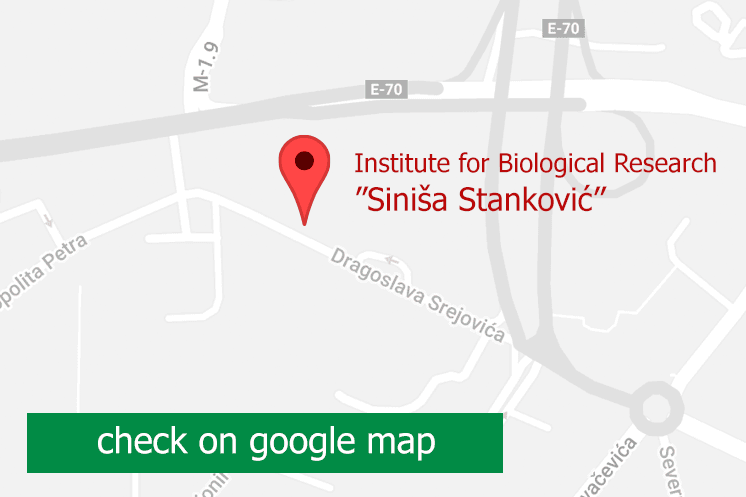
Phone: +381 11 20 78 300
Fax: +381 11 27 61 433
Email: ibiss@ibiss.bg.ac.rs
Bulevar despota Stefana 142
11108 Belgrade
Serbia


IBISS uses analytical cookies to analyze the use of the site in order to improve the user experience, by clicking "Accept" you consent to the use of cookies.