



Ivana Stojanović is a principal research fellow who finished Molecular Biology and Physiology graduate studies at the Faculty of Biology, University of Belgrade in 2001. Dr. Stojanovic obtained her PhD in Immunology at the Faculty of Biology, University of Belgrade in 2004. From 2001. she is employed at Department of Immunology, Institute for Biological Research “Siniša Stanković“ – National Institute of the Republic of Serbia (IBISS), University of Belgrade, Belgrade, Serbia. She participated in three national projects financed by the Ministry of Education, Science and Technological Development, Republic of Serbia, two funded by Science Fund of the Republic of Serbia, one Innovation project and four international projects. Dr. Stojanovic was a principle investigator in the project “The role of macrophage migration inhibitory factor in beta cell apoptosis and pathogenesis of obesity-associated type 2 diabetes” funded by EFSD/AstraZeneca Young Investigator Award (2007-2009), “Generation of insulin-specific T regulatory cells for the treatment of type 1 diabetes” funded by Iacocca Family Foundation (USA) (2016-2017), Serbian Science and Diaspora Collaboration Program funded by Science Fund (2020-2022). Dr. Stojanovic supervised 7 Master and 3 PhD theses. She is a lecturer at the PhD programme at the Faculty of Biology, University of Belgrade. Currently, Dr. Stojanovic is a leader of the Group for Diabetes Study at Department of Immunology, IBISS that focuses on the basics of type 1 diabetes pathogenesis and the possibilities of diabetes modulation by innovative therapeutic approaches. Her work involves ILC3 and regulatory T cell modulation through AHR and FFAR2 receptors and the application of mesenchymal stem cells and plant-derived compounds for the treatment of type 1 diabetes using a mouse model. Dr. Stojanovic has published 76 full-length peer-reviewed papers in international journals and 2 chapters in international books with h-index 24 and total number of citations (excluding auto citations) over 1900.

Inflammation is a response to damage and danger in organisms and is an integral part of research in immunology, but also in other scientific disciplines, since inflammation occurs in numerous pathological conditions like diabetes or cancer. Immunology studies body’s defence mechanisms at cellular and molecular level in infective diseases, as well as immune system malfunctions in autoimmune diseases and allergies Modification of body’s immune system is useful in treatment of these diseases, and can be performed through pharmacological modulation or immunotherapy, where immune cells or their parts are used. Acute-phase proteins and potential biological markers of inflammation involved in the modification and integration of signalling pathways are being investigated in order to predict and intervene in diseases.

EDUCATION
2020 - PhD in biology, University of Belgrade, Faculty of Biology (Doctoral Dissertation: Effects of ethyl pyruvate on the development of type 1 diabetes in C57BL/6 mice)
2016 - MSc in biology, University of Belgrade, Faculty of Biology
2014 - BSc in biology, University of Belgrade, Faculty of Biology
RESEARCH EXPERIENCE
2021 – Research Associate, University of Belgrade, Institute for Biological Research 'Siniša Stanković', Department of Immunology
2020 – Research Assistant, University of Belgrade, Institute for Biological Research 'Siniša Stanković', Department of Immunology
2017 – Junior Researcher, University of Belgrade, Institute for Biological Research 'Siniša Stanković', Department of Immunology
2016 - PhD student, University of Belgrade, Institute for Biological Research 'Siniša Stanković', Department of Immunology
OTHER ACTIVITIES
2021 - Club of Serbian Young Immunologists membership
2016 - Immunological society of Serbia membership
2016 - Serbian Biochemical Society membership
2016 - Serbian Society for Molecular Biology membership
RESEARCH INTERESTS
o Physiological and pharmacological modulation of the autoimmune process directed against pancreatic β cells in a type 1 diabetes (T1D) model
o Studying the role of the intestinal immune system in the development and regulation of the autoimmune response in T1D
o Examining the immunomodulatory potential of newly synthesized modulators of the aryl hydrocarbon receptor (AhR)
Inflammation is a response to damage and danger in organisms and is an integral part of research in immunology, but also in other scientific disciplines, since inflammation occurs in numerous pathological conditions like diabetes or cancer. Immunology studies body’s defence mechanisms at cellular and molecular level in infective diseases, as well as immune system malfunctions in autoimmune diseases and allergies Modification of body’s immune system is useful in treatment of these diseases, and can be performed through pharmacological modulation or immunotherapy, where immune cells or their parts are used. Acute-phase proteins and potential biological markers of inflammation involved in the modification and integration of signalling pathways are being investigated in order to predict and intervene in diseases.

Đorđe Miljković is a research professor (from 2008) at the Institute for Biological Research „Siniša Stanković“, University of Belgrade, where he is the head of the Department of Immunology (appointed in 2015) and leader of the Group for Neuroimmunology (from 2010). He obtained his PhD in immunology at the Faculty of Biology, University of Belgrade in 2002. His main research interest is in autoimmunity, multiple sclerosis in particular. His current lines of investigation include gut immune cells and their role in autoimmunity, tolerogenic dendritic cells in the treatment of autoimmunity, physiological and pharmacological modulation of autoimmunity.
Past and ongoing projects:
• Cellular and molecular mechanisms of recovery of rats from experimental autoimmune encephalomyelitis
• Characterization of cell death mechanisms in the central nervous system of rats suffering from experimental autoimmune encephalomyelitis
• Human gut microbiota transfer for novel insights into central nervous system autoimmunity pathogenesis
• The role of gut microbiota and gut immune cells in the CNS-directed autoimmunity induced in rats without the use of the complete Freund’s adjuvant
• Modulation of gut ILC3 by a FFAR2 agonist for the treatment of autoimmune diseases
Inflammation is a response to damage and danger in organisms and is an integral part of research in immunology, but also in other scientific disciplines, since inflammation occurs in numerous pathological conditions like diabetes or cancer. Immunology studies body’s defence mechanisms at cellular and molecular level in infective diseases, as well as immune system malfunctions in autoimmune diseases and allergies Modification of body’s immune system is useful in treatment of these diseases, and can be performed through pharmacological modulation or immunotherapy, where immune cells or their parts are used. Acute-phase proteins and potential biological markers of inflammation involved in the modification and integration of signalling pathways are being investigated in order to predict and intervene in diseases.
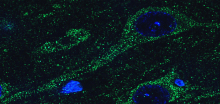
Neurobiology studies the anatomy, physiology, and pathology of the nervous system. From the molecular and biochemical basis of this system, to the study of behavioral plasticity, to understanding the driving forces of neurodegenerative diseases and how they can be treated. Electrophysiology studies biophysical properties in vertebrate neurons and links morphofunctional features of the brain to observed animal behavior. The ultimate goal is to identify active substances that may have a protective effect in neurological and psychiatric diseases.

Dijana Bovan completed her undergraduate studies at the Faculty of Biology, University of Belgrade in 2013 and obtained the title of graduate molecular biologist and physiologist. She enrolled in doctoral studies at the Faculty of Biology of the University of Belgrade in 2013, on the Molecular Oncology module. Since January 2015, she has been employed in the Department of Immunology at the Institute for Biological Research "Siniša Stanković" - an Institute of national importance for the Republic of Serbia. In September 2017, she was elected to the position of research assistant. She defended her doctoral dissertation entitled "Molecular mechanisms of the action of antitumor agent from the synthetic tubulysins’ group, tubugi 1, on selected melanoma model systems" in October 2020 and in 2021 she received "Stanka Romac" award for the best doctoral thesis in the field of Human Molecular Genetics or Biomedicine. In February 2021, she received the title of research associate. As part of the bilateral scientific-technological cooperation project between the Republic of Serbia and the Federal Republic of Germany, Dijana Bovan spent a month at the Leibniz Institute for Plant Biochemistry in Halle on three occasions (2015, 2016 and 2017), and 25 days in 2018. in Leipzig, Germany within the Erasmus + program. In addition, she was a participant in the National Project (2019), a bilateral project with China (2018-2021), as well as two projects sponsored by Zepter International for the period (2019-2020 and 2020-2021). He is currently a participant in the project of the Science Fund of the Republic of Serbia from the Prism program (ADVANCED). She is an active member of the Serbian Society of Cancer Researchers (SDIR), the European Association for Cancer Research (EARC), the Serbian Society for Molecular Biology (MolBioS), the Club of Young Immunologists of Serbia (KMIS), the Young European Federation of Immunological Societies (yEFIS), the Biochemical Society of Serbia (BDS). Her research interests are experimental oncology and immuno-oncology.
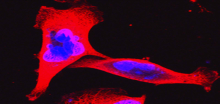
Understanding the physiological and functional characteristics of cancer cells at the individual level, and the tumor tissue as a highly orchestrated multicellular formation, by whose activity the tumor expands, invades and disseminates, is the main goal of cancer biology research today. Defining the causes of abnormal behavior of neoplastic cells individually and in the context of the tumor microenvironment, including the histological, metabolic and immunological specificities of this tissue, represents a platform for designing new approaches in cancer treatment. Investigating the phenomenon of initial or acquired tumor resistance helps to gain deeper insights into the reasons for limited effects of the conventional treatments, enabling the improvement of existing protocols.

Danijela Maksimovic-Ivanic graduated in Molecular Biology and Physiology from the University of Belgrade (Serbia) in 1998. She obtained MSc in Immunology on Faculty for Biology, University of Belgrade in 2000, and at the same faculty she got PhD in Immunology in 2003. She is currently employed as a principal research fellow at Department of Immunology. She participated in three national, two innovation and four bilateral projects financed by the Ministry of Education, Science and Technological Development, Republic of Serbia. Dr. Maksimovic-Ivanic was a principle investigator in one national and three bilateral projects financed by the Ministry of Education, Science and Technological Development, Republic of Serbia, two projects financed by the Innovation Fund of the Republic of Serbia and two projects with industry. Currently she is the PI of the project: “Inflammation-driven cancer repopulation: seeds of progression and platform for therapy” financed by the Science Fund of the Republic of Serbia, program Prisma. Dr. Maksimovic-Ivanic supervised 2 Master and 3 PhD theses. Dr. Maksimovic-Ivanic is a leader of Cancer biology group. She is also a lecturer at the doctoral studies at the Faculty of Biology, University of Belgrade and Faculty of Medicine, University of Belgrade. Her major research interests are immunooncology, experimental oncology, pharmacology and experimental therapeutics. Her current research is focused on evaluation of anticancer properties of metal complexes, naturally occurring compounds and nanotechnology on numerous experimental models in vitro and in vivo and definition of molecular mechanism of their action. She has more than 130 papers, h index is 31, Citation number (excluding self-citations) from SCOPUS citation database: 4029.
Understanding the physiological and functional characteristics of cancer cells at the individual level, and the tumor tissue as a highly orchestrated multicellular formation, by whose activity the tumor expands, invades and disseminates, is the main goal of cancer biology research today. Defining the causes of abnormal behavior of neoplastic cells individually and in the context of the tumor microenvironment, including the histological, metabolic and immunological specificities of this tissue, represents a platform for designing new approaches in cancer treatment. Investigating the phenomenon of initial or acquired tumor resistance helps to gain deeper insights into the reasons for limited effects of the conventional treatments, enabling the improvement of existing protocols.
Inflammation is a response to damage and danger in organisms and is an integral part of research in immunology, but also in other scientific disciplines, since inflammation occurs in numerous pathological conditions like diabetes or cancer. Immunology studies body’s defence mechanisms at cellular and molecular level in infective diseases, as well as immune system malfunctions in autoimmune diseases and allergies Modification of body’s immune system is useful in treatment of these diseases, and can be performed through pharmacological modulation or immunotherapy, where immune cells or their parts are used. Acute-phase proteins and potential biological markers of inflammation involved in the modification and integration of signalling pathways are being investigated in order to predict and intervene in diseases.
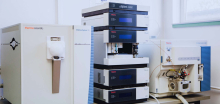
Natural products are complex chemical compounds synthesised by living organisms through biochemical processes, with a specific physiological or ecological function. Researchers at the Institute study the chemical characterization and isolation of natural products, metabolic engineering, as well as the assessment of the possibility of their application in industry (as medicaments, dietary supplements and functional food, biopesticides).

Bojan holds a Bachelor of Science (B.Sc.) and a Master of Science (M.Sc.) in Biochemistry from the Faculty of Chemistry at the University of Belgrade. He completed his doctoral studies in 2018 within the Department of Immunology at IBISS, University of Belgrade. With a keen interest in neuroimmunology, he continued his research within the group of Dr Đorđe Miljković, focusing on a novel experimental autoimmune encephalomyelitis (EAE) model without adjuvants. His research also includes innate lymphoide cells (ILCs) and mucosal immune system, with a focus on understanding the immunomodulatory mechanisms of ILC3 in EAE and multiple sclerosis (MS). Additionally, he actively contributes to the training and mentoring of both master's and doctoral students.
Understanding the physiological and functional characteristics of cancer cells at the individual level, and the tumor tissue as a highly orchestrated multicellular formation, by whose activity the tumor expands, invades and disseminates, is the main goal of cancer biology research today. Defining the causes of abnormal behavior of neoplastic cells individually and in the context of the tumor microenvironment, including the histological, metabolic and immunological specificities of this tissue, represents a platform for designing new approaches in cancer treatment. Investigating the phenomenon of initial or acquired tumor resistance helps to gain deeper insights into the reasons for limited effects of the conventional treatments, enabling the improvement of existing protocols.
Inflammation is a response to damage and danger in organisms and is an integral part of research in immunology, but also in other scientific disciplines, since inflammation occurs in numerous pathological conditions like diabetes or cancer. Immunology studies body’s defence mechanisms at cellular and molecular level in infective diseases, as well as immune system malfunctions in autoimmune diseases and allergies Modification of body’s immune system is useful in treatment of these diseases, and can be performed through pharmacological modulation or immunotherapy, where immune cells or their parts are used. Acute-phase proteins and potential biological markers of inflammation involved in the modification and integration of signalling pathways are being investigated in order to predict and intervene in diseases.
Natural products are complex chemical compounds synthesised by living organisms through biochemical processes, with a specific physiological or ecological function. Researchers at the Institute study the chemical characterization and isolation of natural products, metabolic engineering, as well as the assessment of the possibility of their application in industry (as medicaments, dietary supplements and functional food, biopesticides).

Levels of education.
Ph.D. in Biology (Faculty of Biology, University of Belgrade, Serbia, 2011)
MSc in Hydrobiology (Faculty of Biology, University of Belgrade, Serbia, 2007)
BSc in Biology (Faculty of Biology, University of Belgrade, Serbia, 2002)
Field of interests:
The scientific and research work belongs to the field of ecology and protection of aquatic ecosystems, monitoring of environmental quality and investigation of ecological status/potential. The research work includes testing the biological effects of metals and metalloids on various tissues of selected species of freshwater fish, analyzing the degree of bioaccumulation in aquatic ecosystems, then analyzing the diet of freshwater fish species in different types of aquatic ecosystems, their dietary preferences, as well as researching the fauna of intestinal parasites of native and introduced fish species.
Member of the scientific organizations: Serbian Biological Society, Society for water protection of Serbia, Serbian Society for parasitology and European Association of Fish Pathologist (EAFP). She is a member of the Board of the Serbian Society for Water Protection for the period 2019-2024.

Aquatic ecology studies the ecosystems in aquatic environments including seas, rivers, lakes, ponds and wetlands. It examines the interaction between the physical, chemical, and biological components of aquatic ecosystems. Aquatic ecologists are also interested in human interactions with the environment, and the impact of human activity on aquatic ecosystems.

Biodiversity is the variety and variability of life on Earth. It encompasses diversity at the genetic, taxonomic and ecosystem levels. Biodiversity is important in both natural and artificial ecosystems. Today, biodiversity is threatened by habitat loss and fragmentation, unsustainable resource use, invasive species, pollution and global climate change.

Invasion biology studies introduced invasive species and their impact on the diversity, structure, dynamics, and functioning of the ecosystems they inhabit. Invasive species are considered one of the most significant factors that lead to a reduction in biodiversity.
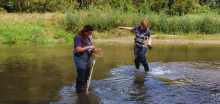
Biomonitoring is the process of systematically observing, measuring, and analysing the physiological, biochemical, molecular, and genetic responses of living organisms to environmental changes, thus providing qualitative or quantitative information on the state of the environment. It includes the use of various bioindicators, biomonitors, bioaccumulators, and biomarkers.
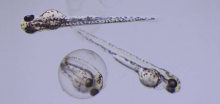
Ecotoxicology studeies the toxic effects of chemicals on the environment. The effects are studied at the level of molecules, cells, tissues, organs, individual organisms, populations or ecosystems.

Functional ecology focuses on the understanding of various biological phenomena (functions) at different levels of organization from organisms to ecosystems, thus enabling the understanding of the existence of certain patterns in nature. It identifies and studies the processes and/or activities that keep an organism or entire ecosystem functioning.

Climate change is an all-encompassing and growing global threat to biodiversity and ecosystems. It directly leads to phenological, physiological, morphological, and ethological changes, the spread of invasive species, and a decrease in the number of native species and their extinction. Changed climatic conditions affect habitat quality, resulting in changes in the distribution of species and communities. In order to mitigate the effects of climate change on the environment, it is necessary to predict and understand their impact on the living world.
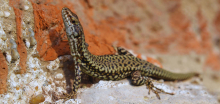
Urban ecology focuses on studying fundamental ecological concepts within urban areas. It examines how ecological patterns, relations and processes differ in urban environments compared to non-urban environments, and investigates the impact of urbanisation on the ecology of organisms. Additionally, urban ecology examines the relationships and interactions between ecological and social systems within urban ecosystems that are made exclusively by anthropogenic activity.

Environmental protection comprises reduction or prevention of pollution, negative impacts on the environment, damage caused to ecosystems or natural resources caused by human activities.

Dr. Stoimir Kolarević was born on July 30, 1984, in Sisak, Republic of Croatia. He enrolled in undergraduate studies at the Faculty of Biology, University of Belgrade, program Biology, during the academic year 2002/03, and graduated in 2009. In the academic year 2009/10, he started doctoral studies at the Faculty of Biology, modul Microbiology, which he completed in 2014. He began his scientific career at the Department of Microbiology, Faculty of Biology, in 2011. Since January 1, 2020, he has been employed as a senior research associate at the Department of hydroecology and water protection of IBISS. Dr. Kolarević's scientific research is focused on the fields of microbiology and eco/genotoxicology. He investigates the impact of wastewater on the quality of surface waters, as well as on organisms inhabiting freshwater and marine ecosystems, with a focus on eco/geno-toxicological analyses.
Since 2024, Dr. Kolarević has served as the Vice President of the Mutagenesis and Genotoxicology Section of the Serbian Genetic Society and is a representative of Serbia in the European Environmental Mutagenesis and Genomic Society (EEMGS). Since 2014, he has been participating in the work of the Monitoring and Assessment Expert Group (MAЕG) of the International Commission for the Protection of the Danube River.
He received the award for the best oral presentation at the international conference "The 14th International Comet Assay Workshop & 50th Environmental Mutagenesis and Genomics Society meeting" (Maastricht, Netherlands, 2022) for his lecture "Application of comet assay in aquatic organisms – summary and lessons learned in past 10 years of field research". Additionally, he is the recipient of the prestigious FEMS fellowship for postdoctoral training ("Federation of European Microbiology Societies FEMS-GO Research and training grant"), which he completed in 2019 at the National Institute of Biology in Ljubljana, Slovenia.
Aquatic ecology studies the ecosystems in aquatic environments including seas, rivers, lakes, ponds and wetlands. It examines the interaction between the physical, chemical, and biological components of aquatic ecosystems. Aquatic ecologists are also interested in human interactions with the environment, and the impact of human activity on aquatic ecosystems.
Biodiversity is the variety and variability of life on Earth. It encompasses diversity at the genetic, taxonomic and ecosystem levels. Biodiversity is important in both natural and artificial ecosystems. Today, biodiversity is threatened by habitat loss and fragmentation, unsustainable resource use, invasive species, pollution and global climate change.
Biomonitoring is the process of systematically observing, measuring, and analysing the physiological, biochemical, molecular, and genetic responses of living organisms to environmental changes, thus providing qualitative or quantitative information on the state of the environment. It includes the use of various bioindicators, biomonitors, bioaccumulators, and biomarkers.
Ecotoxicology studeies the toxic effects of chemicals on the environment. The effects are studied at the level of molecules, cells, tissues, organs, individual organisms, populations or ecosystems.
Functional ecology focuses on the understanding of various biological phenomena (functions) at different levels of organization from organisms to ecosystems, thus enabling the understanding of the existence of certain patterns in nature. It identifies and studies the processes and/or activities that keep an organism or entire ecosystem functioning.
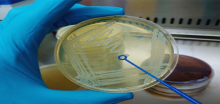
Microbiology studies the structure, function, genetics, and ecology of microorganisms, including bacteria, viruses, fungi, and protozoa. Within the Institute, important areas of microbiological research include medical microbiology, environmental microbiology and industrial microbiology.
Natural products are complex chemical compounds synthesised by living organisms through biochemical processes, with a specific physiological or ecological function. Researchers at the Institute study the chemical characterization and isolation of natural products, metabolic engineering, as well as the assessment of the possibility of their application in industry (as medicaments, dietary supplements and functional food, biopesticides).
Environmental protection comprises reduction or prevention of pollution, negative impacts on the environment, damage caused to ecosystems or natural resources caused by human activities.

Aquatic ecology studies the ecosystems in aquatic environments including seas, rivers, lakes, ponds and wetlands. It examines the interaction between the physical, chemical, and biological components of aquatic ecosystems. Aquatic ecologists are also interested in human interactions with the environment, and the impact of human activity on aquatic ecosystems.
Biodiversity is the variety and variability of life on Earth. It encompasses diversity at the genetic, taxonomic and ecosystem levels. Biodiversity is important in both natural and artificial ecosystems. Today, biodiversity is threatened by habitat loss and fragmentation, unsustainable resource use, invasive species, pollution and global climate change.
Invasion biology studies introduced invasive species and their impact on the diversity, structure, dynamics, and functioning of the ecosystems they inhabit. Invasive species are considered one of the most significant factors that lead to a reduction in biodiversity.
Biomonitoring is the process of systematically observing, measuring, and analysing the physiological, biochemical, molecular, and genetic responses of living organisms to environmental changes, thus providing qualitative or quantitative information on the state of the environment. It includes the use of various bioindicators, biomonitors, bioaccumulators, and biomarkers.

Bioremediation is the process in which living organisms (mainly plants, microorganisms, or plant and microbial enzymes) are used to reduce, degrade or detoxify contaminants, pollutants, and toxins in soil, water, and other elements of the environment.
Functional ecology focuses on the understanding of various biological phenomena (functions) at different levels of organization from organisms to ecosystems, thus enabling the understanding of the existence of certain patterns in nature. It identifies and studies the processes and/or activities that keep an organism or entire ecosystem functioning.
Climate change is an all-encompassing and growing global threat to biodiversity and ecosystems. It directly leads to phenological, physiological, morphological, and ethological changes, the spread of invasive species, and a decrease in the number of native species and their extinction. Changed climatic conditions affect habitat quality, resulting in changes in the distribution of species and communities. In order to mitigate the effects of climate change on the environment, it is necessary to predict and understand their impact on the living world.
Environmental protection comprises reduction or prevention of pollution, negative impacts on the environment, damage caused to ecosystems or natural resources caused by human activities.

Dr Nikola Marinković graduated from the Faculty of Biology of the University of Belgrade in 2013 and will receive the title of PhD in 2020 by defending his dissertation entitled "Taxonomic differentiation, diversity and distribution of species of the suborder Erpobdelliformes (Hirudinea; Annelida) in the area of the Western Balkans" at the Faculty of Biology of the University of Belgrade. He has been employed at IBISS since December 2013 and has held the title of Research Associate since 2021. For more than 10 years he has been involved in the research of communities of benthic aquatic invertebrates from the point of view of their use in assessing the quality of aquatic ecosystems, i.e. as an indicator of the state of the environment; the detection and monitoring of the impact of alien species; then in the research of their taxonomy both through the traditional morpho-anatomical approach and through the use of molecular genetic methods. Dr Nikola Marinković focused his research on leeches (Hirudinea) and in particular on free-living representatives belonging to the Erpobdelliformes group, the issue of their taxonomy and the ecology of this under-researched group of predators. During his career he participated in several national projects and one bilateral co-operation project. He participated in the FP7 project "Globaqua". He is a member of the Serbian national team that participated in the realisation of the fourth Joint Danube Survey (JDS4). During his research career, he has been involved in the preparation of 54 scientific publications. He participated in the promotion of science during the European Researchers' Night as part of the project "The Road to Friday of Science - ReFocuS 3.0", funded by the European Commission under "Horizon 2020" - Programme for Research and Innovation Activities, sub-programme "Maria Sklodovska Curie". He is a long-standing member of the Serbian Biological Society and the Serbian Water Protection Society.
Aquatic ecology studies the ecosystems in aquatic environments including seas, rivers, lakes, ponds and wetlands. It examines the interaction between the physical, chemical, and biological components of aquatic ecosystems. Aquatic ecologists are also interested in human interactions with the environment, and the impact of human activity on aquatic ecosystems.
Biodiversity is the variety and variability of life on Earth. It encompasses diversity at the genetic, taxonomic and ecosystem levels. Biodiversity is important in both natural and artificial ecosystems. Today, biodiversity is threatened by habitat loss and fragmentation, unsustainable resource use, invasive species, pollution and global climate change.
Invasion biology studies introduced invasive species and their impact on the diversity, structure, dynamics, and functioning of the ecosystems they inhabit. Invasive species are considered one of the most significant factors that lead to a reduction in biodiversity.
Biomonitoring is the process of systematically observing, measuring, and analysing the physiological, biochemical, molecular, and genetic responses of living organisms to environmental changes, thus providing qualitative or quantitative information on the state of the environment. It includes the use of various bioindicators, biomonitors, bioaccumulators, and biomarkers.
Functional ecology focuses on the understanding of various biological phenomena (functions) at different levels of organization from organisms to ecosystems, thus enabling the understanding of the existence of certain patterns in nature. It identifies and studies the processes and/or activities that keep an organism or entire ecosystem functioning.
Climate change is an all-encompassing and growing global threat to biodiversity and ecosystems. It directly leads to phenological, physiological, morphological, and ethological changes, the spread of invasive species, and a decrease in the number of native species and their extinction. Changed climatic conditions affect habitat quality, resulting in changes in the distribution of species and communities. In order to mitigate the effects of climate change on the environment, it is necessary to predict and understand their impact on the living world.
Environmental protection comprises reduction or prevention of pollution, negative impacts on the environment, damage caused to ecosystems or natural resources caused by human activities.
Phone: +381 11 20 78 300
Fax: +381 11 27 61 433
Email: ibiss@ibiss.bg.ac.rs
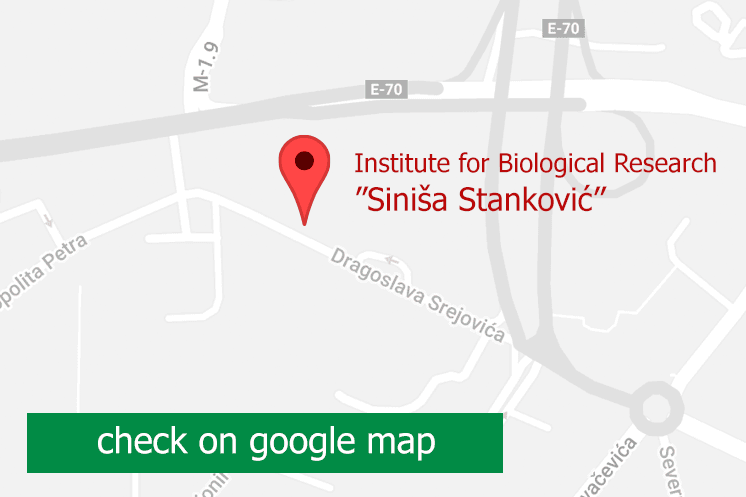
Bulevar despota Stefana 142
11108 Belgrade
Serbia


IBISS uses analytical cookies to analyze the use of the site in order to improve the user experience, by clicking "Accept" you consent to the use of cookies.